
The Cormorant’s Watch on the Truro River

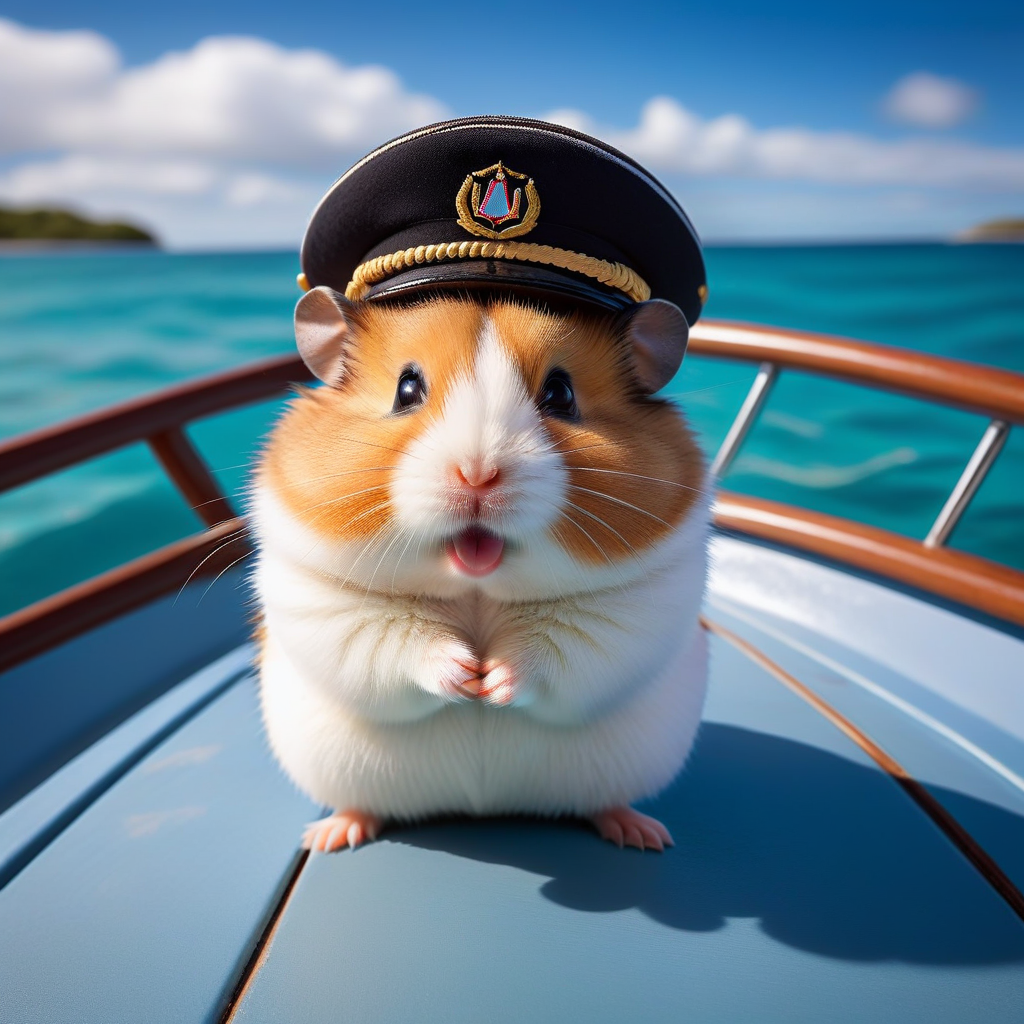
We arrived at the upper reaches of the Truro River under what Jack insisted was “textbook conditions”—calm water, bright sun, and just enough breeze to make you feel nautical without actually needing to do anything clever. I was, of course, scanning the banks for signs of life, while Twinkles adjusted her hat for what she described as “river-appropriate drama.”
Her first excursion in the rubber dinghy was meant to be a simple affair: glide downstream, inspect a modest yacht for sale, and return triumphant with either a bargain or a story. Knowing Twinkles, it would inevitably be both.
The river was unusually still as we pushed off. Even the moored boats near Malpas seemed to observe us with a quiet, varnished indifference. Jack sat aft, already prepared to document what he called “potential procedural improvements,” which is his charming way of expecting things to go slightly wrong.
Halfway along, Twinkles stiffened.
“There’s a bird,” she said, as though announcing a legal complication.
It was a cormorant—large, black, and stationed midstream on a low rock like a self-appointed harbour master. Its wings were spread wide to the sun, but its head… its head followed us. Slowly. Deliberately.
“It’s watching me,” Twinkles whispered, clutching the side of the dinghy with theatrical suspicion.
Jack glanced up briefly. “It’s a bird, not a customs officer.”
“That is exactly what a customs officer disguised as a bird would want you to think.”
The cormorant did not blink. Not once. As we drifted past, its gaze locked onto Twinkles with such focus that even I, a committed admirer of wildlife, felt a small and unnecessary shiver.
The yacht vendor waved cheerfully from his boat ahead, entirely oblivious to the silent tribunal we were passing. The dinghy wobbled slightly as Twinkles attempted to maintain both dignity and distance from the bird.
“It knows,” she muttered.
“Knows what?” Jack asked.
“Everything.”
At that precise moment, a faint ripple passed beneath us—nothing dramatic, just enough to suggest the river had shifted its opinion. The cormorant gave a slow, deliberate shake of its wings, as if closing a file.
I could have sworn—though I admit this may be imagination encouraged by atmosphere—that something unseen had nudged us along, a quiet insistence from the sort of presence one does not introduce at dinner.
We reached the yacht without further incident. It was perfectly ordinary. Respectable, even. Jack approved of its lines. The vendor smiled too much. Twinkles, however, kept glancing back upriver.
“I don’t trust that bird,” she said finally.
Jack sighed, already reaching for his notebook. “Lesson learned?”
Twinkles nodded gravely. “Yes. Next time, we bring breadcrumbs. If it’s still there, we negotiate.”
And that, as Jack later recorded with great satisfaction, is why one should never underestimate a cormorant—or a first-time dinghy captain with a flair for diplomacy.
Comments