



Along the North Devon shore of the Bristol Channel there persists a modest body of folklore concerning drowned lands and lost coastal habitations, particularly in the vicinity of the Taw and Torridge estuary and the low margins adjoining Barnstaple Bay. These traditions are neither as extensive nor as firmly developed as those found in parts of Wales or Cornwall, yet they form part of the wider western British belief that the sea has, at various times, reclaimed former settlements, churches and grazing ground. The stories appear chiefly in local oral tradition and antiquarian reference rather than in formal historical record.
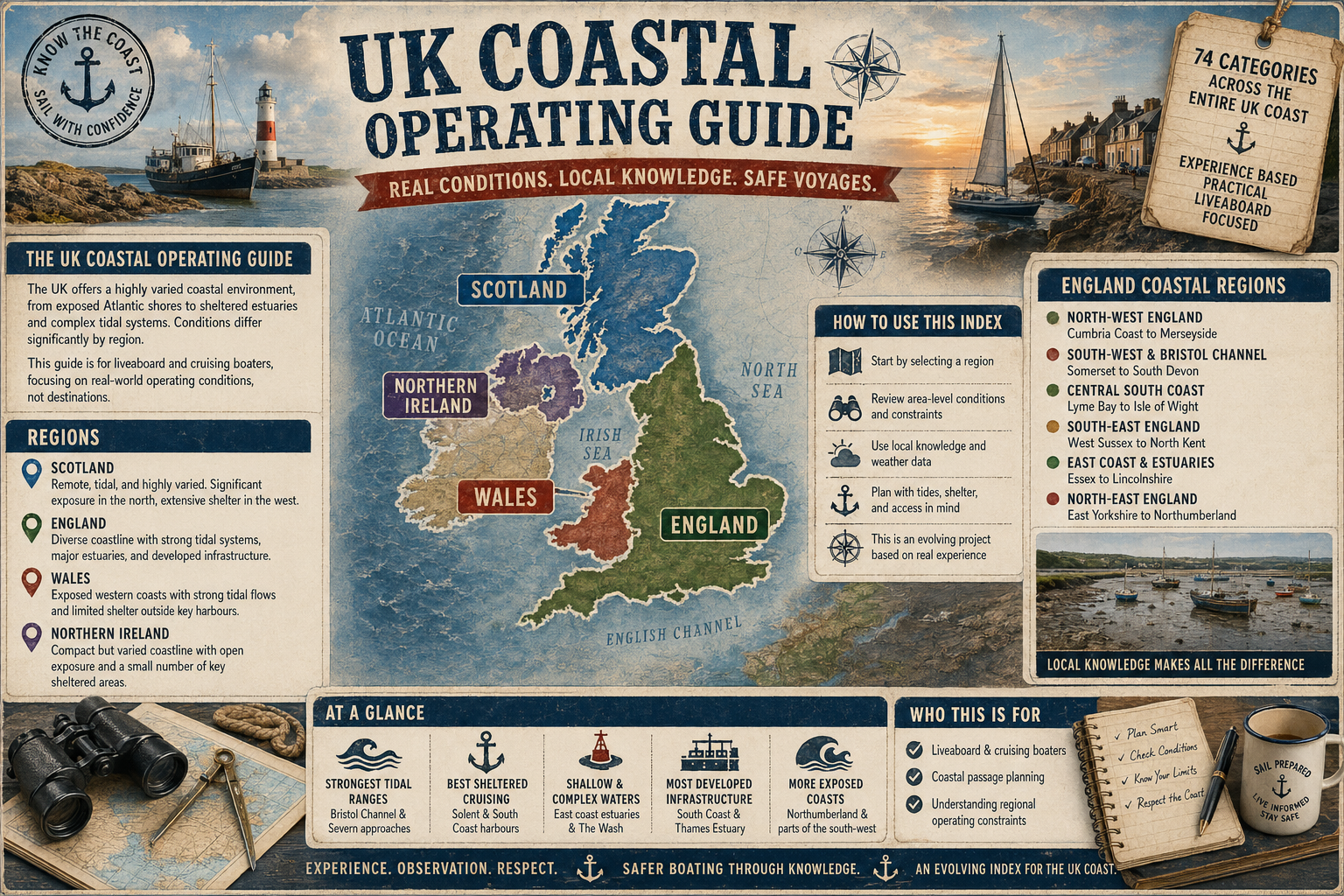
The Bristol Channel possesses some of the strongest tidal conditions in British waters, with marked rises and swift streams affecting the estuarial reaches and outer coast alike. Along the North Devon frontage, extensive sands, mudflats and shifting banks are exposed at low water, particularly around the mouths of the Taw and Torridge, the approaches to Appledore, and the flats extending toward Northam Burrows. Such terrain has long encouraged speculation concerning former occupation now obscured by sediment or tide. Mariners entering the estuary in poor visibility have historically relied upon careful local knowledge owing to the movement of channels and the uncertain nature of the banks.
Several local accounts speak of former dwellings or chapels lost near the coast between Braunton and the estuarial approaches, though evidence remains uncertain. Some traditions may derive from genuine medieval encroachment by sand inundation rather than permanent marine submergence. Around Braunton Burrows and the adjoining dune systems there are historical records of shifting sand overwhelming cultivated ground and isolated structures during periods of severe weather. Over time these events appear to have merged in popular memory with broader tales of sunken communities beneath the estuary margins.
Further west, beneath the high cliffs between Morte Point and Hartland Point, folklore concerning drowned habitations is less common, owing partly to the abrupt and rocky nature of the coast. Here the sea is associated more with wrecks, dangerous overfalls and isolation than with gradual inundation. Nevertheless, occasional references occur to bells supposedly heard beneath the water during calm conditions off certain inlets or reefs. Such motifs are widespread throughout Celtic and western maritime folklore and should not be taken as evidence of a distinct local tradition. In North Devon they remain comparatively restrained and seldom attached to a precise site.
The persistence of these beliefs is understandable given the character of the Bristol Channel itself. Heavy Atlantic weather entering from the west combines with constricted tidal flow to produce steep seas and rapid coastal change. Harbours such as Ilfracombe and Appledore historically depended upon careful timing of entry and departure, while smaller landing places were frequently altered by storm damage or silting. In earlier centuries, when charts were incomplete and coastal erosion imperfectly understood, the disappearance of pasture, buildings or shoreline tracks could readily acquire a legendary explanation.
Among local seafarers and fishing families, tales of drowned ground occasionally served as practical reminders of the mutability of the coast. Stories attached to submerged walls, former quays or vanished paths reinforced awareness that channels shifted over generations and that apparently firm sands might conceal watercourses or soft mud. Such traditions carried less of the supernatural character found in later romantic retellings and more the tone of cautionary coastal memory. Elderly pilots and estuary men were once known to refer to stretches of sand as “old ground” or “lost fields”, expressions which may have preserved fragments of earlier belief without implying literal submerged towns.
Although firm historical proof for extensive drowned settlements along this part of North Devon is limited, the folklore remains closely tied to the practical realities of the coast: powerful tides, unstable estuaries and the gradual alteration of shoreline by sea and storm. In this respect the traditions form a fitting accompaniment to a coastline long regarded with both familiarity and respect by those navigating the inner reaches of the Bristol Channel.

Comments