




Lough Foyle, forming the broad tidal inlet between the Inishowen Peninsula and the coast of County Londonderry, has long carried a modest body of folklore connected with the sea, tidal waters and the old Gaelic traditions of the north-west. Among these are scattered references to the banshee, not as a figure of open coastal superstition in the Atlantic manner, but as a more restrained estuarine presence associated with periods of mourning, sudden weather changes and deaths near the water. The tradition survives chiefly in oral recollection and local anecdote rather than in formal maritime record.
The lough itself is a wide and shifting estuary subject to strong tidal movement, shallow banks and frequent changes in visibility. Before modern navigation marks and dredged approaches, vessels entering from the North Channel relied heavily upon local pilots familiar with the channels around Magilligan Point, Greencastle and the approaches to Derry. In earlier centuries these waters were regarded with a degree of caution, particularly in poor weather or during ebb tides running strongly across the banks. Folklore attached itself naturally to such uncertain conditions.
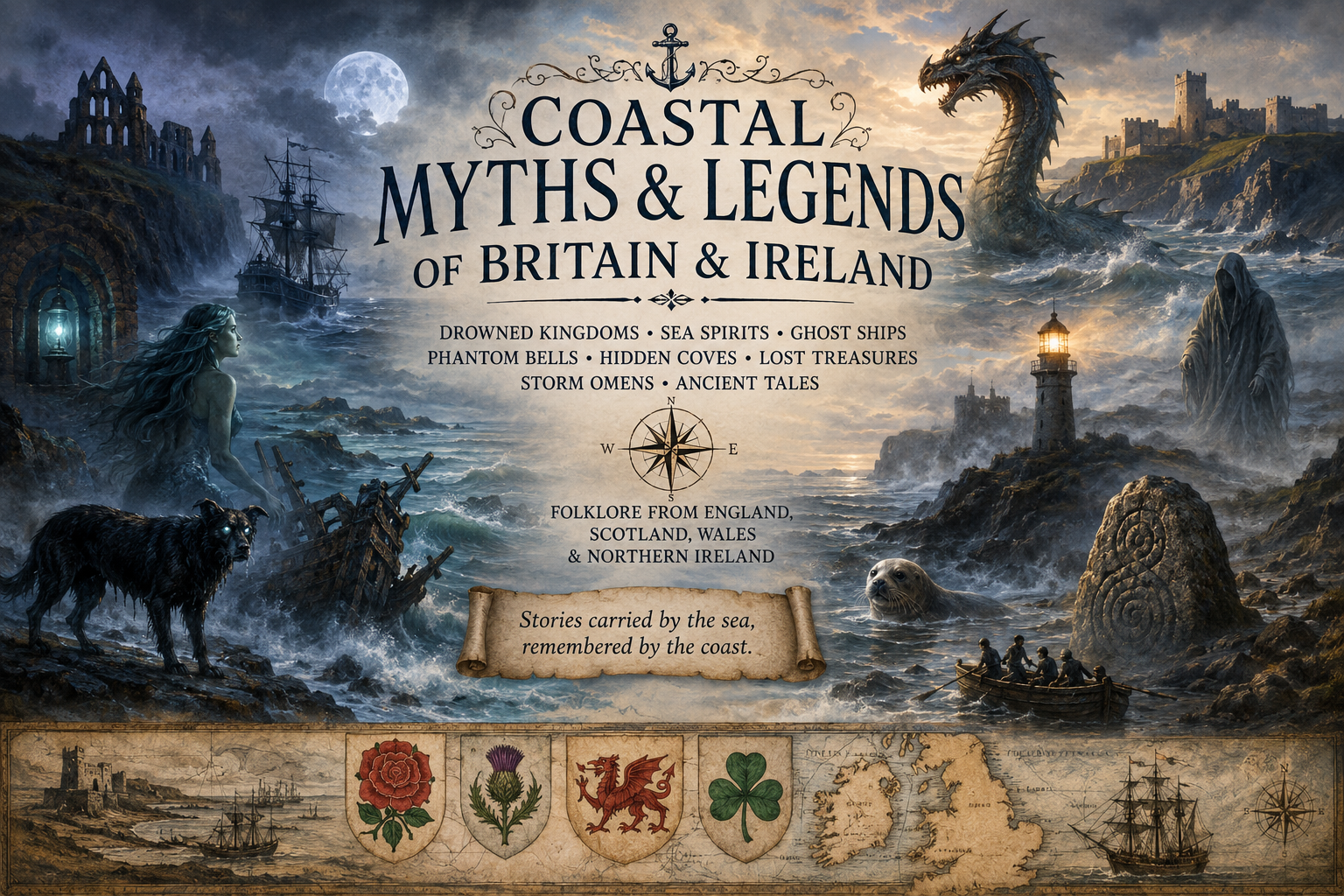
Accounts from the districts bordering the lough occasionally describe mournful cries or sounds heard along isolated stretches of shore during periods of mist or heavy tide. In Irish tradition these were sometimes linked, retrospectively, with the banshee, though the association around Lough Foyle appears comparatively light and localised. Unlike the stronger supernatural traditions of parts of Connemara or the western seaboard, the stories here seldom developed into elaborate legends. More commonly, they formed part of a broader body of belief concerning death warnings, coastal omens and the uneasy character of tidal estuaries.
Along the Inishowen coast and near the mouths of small rivers entering the lough, older fishing families occasionally treated unusual night sounds with reserve, particularly during winter tides and easterly winds. Such sounds were likely encouraged by the acoustics of mudflats, shifting currents and the calls of seabirds carried over still water. Nevertheless, local belief sometimes interpreted them as warnings connected with drownings or losses at sea. It was not unusual in Irish coastal communities for natural sounds to acquire a folkloric explanation where the sea already carried a reputation for unpredictability.
The maritime relevance of these traditions lies less in overt superstition than in customary caution. Estuary pilots, fishermen and ferrymen working the Foyle historically contended with fast tides, concealed shallows and abrupt weather changes funnelled inland from the Atlantic approaches. In such conditions, folklore served partly as a means of reinforcing attentiveness to the water. Stories attached to particular reaches of shoreline or periods of tide often reflected genuine local hazards remembered across generations.
Some older references also connect lamenting voices near the shore with wakes or funeral customs in waterside settlements around Moville, Culmore and the Foyle villages. These associations blur the line between maritime folklore and broader Gaelic mourning tradition. There is little evidence that sailors regarded the banshee itself as a seafaring apparition in the manner found in some northern European traditions. Rather, the belief formed part of the cultural landscape bordering the estuary and was occasionally drawn into narratives of coastal loss.
Even in modern times, Lough Foyle retains a subdued and atmospheric character during fog, evening tide or winter weather, particularly across the open reaches between the Donegal shore and Magilligan Strand. The surviving folklore reflects this environment: not dramatic legend, but a quiet tradition shaped by tidal waters, isolation and long familiarity with the risks of the estuary.


Comments