
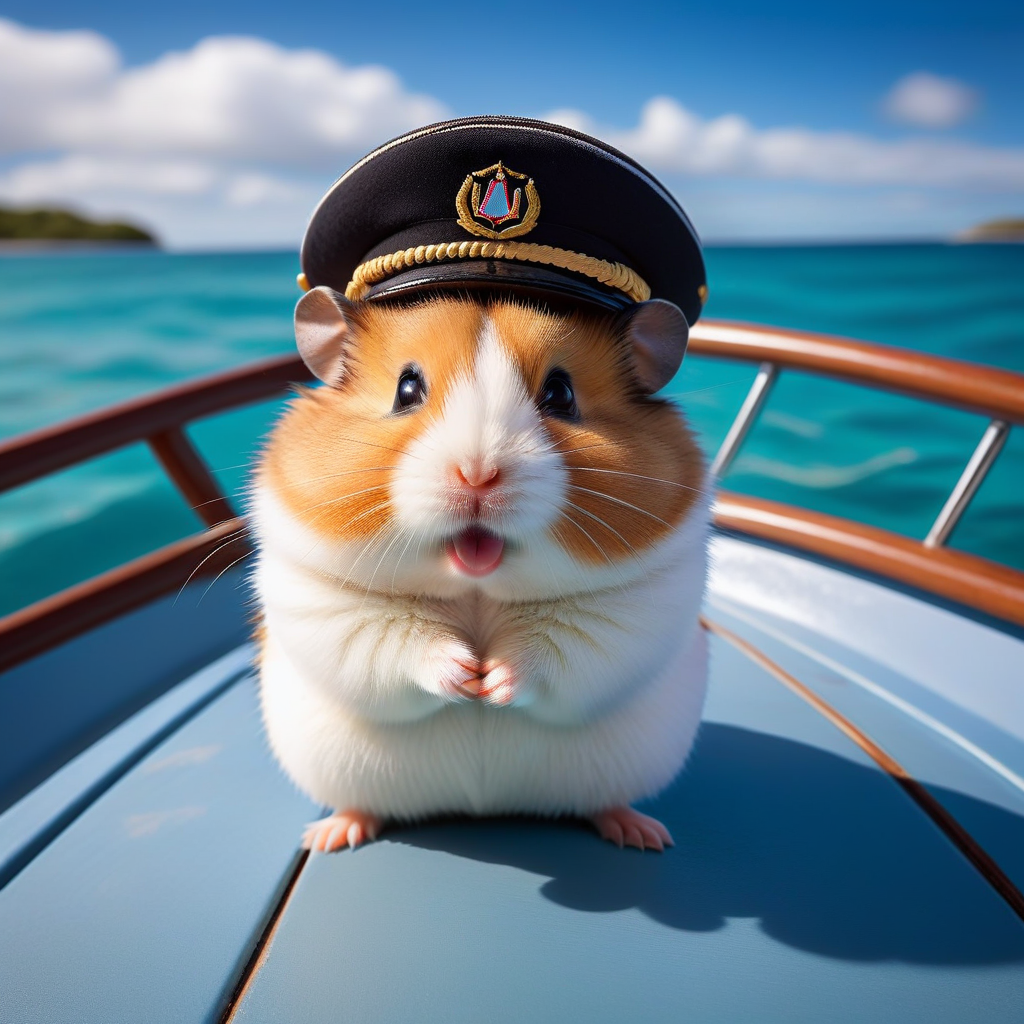
Along the low and industrialised shores between the mouth of the River Tees and Hartlepool Headland, few items of coastal folklore are more firmly associated with the district than the so-called Monkey Hanger legend. The story, long repeated in northeast England, concerns the aftermath of a wreck said to have occurred off the Hartlepool coast during the Napoleonic period. According to local tradition, the sole survivor was a ship’s monkey, dressed in a small naval uniform for amusement aboard ship. The animal was reportedly mistaken by townsfolk for a French spy and hanged upon the sands. While the account is almost certainly apocryphal, the tale remains deeply attached to the maritime identity of Hartlepool and adjoining waters.
The coastline here has long been exposed to difficult North Sea conditions. Off the Tees approaches, strong northerly weather, confused seas and shifting banks historically contributed to numerous strandings and losses, particularly before modern harbour improvements. Hartlepool itself, standing upon a rocky peninsula north of the Tees estuary, was formerly approached through waters regarded with some caution in easterly gales and poor visibility. Local folklore naturally developed around wrecks and survival stories, and the Monkey Hanger narrative appears to have emerged from this broader coastal setting rather than from any verified incident.
Documentary evidence for the episode is notably absent from contemporary records. Most historians consider the tale to be a later invention or exaggeration, possibly deriving from anti-French sentiment during the wars with Revolutionary and Napoleonic France. Versions differ considerably in detail. Some place the wreck close beneath the Headland cliffs, while others merely refer to “the Hartlepool shore”. The story nevertheless became well established by the nineteenth century and entered regional oral tradition with unusual persistence.
Mariners and fishermen from the Tees district often repeated the tale in a dry and practical manner rather than as a ghost story or moral fable. In local usage, “Monkey Hanger” eventually became a nickname for Hartlepudlians themselves, at first derogatory but later adopted with some civic humour. The persistence of the name reflects the close relationship between coastal communities and the sea traffic upon which they depended. For generations, wreckage, survivors and foreign vessels formed part of everyday experience along this coast, particularly before modern navigation aids and dredged entrances reduced the hazards of approach.
The maritime character of the region reinforced such traditions. The Tees estuary developed rapidly during the nineteenth century into one of Britain’s principal industrial ports, while Hartlepool maintained strong associations with fishing, coal export and shipbuilding. Older seafarers sometimes referred to the Monkey Hanger story when discussing the suspicion with which isolated coastal communities once viewed strangers arriving unexpectedly from the sea. In this respect the legend reflects genuine historical conditions, even if the event itself lacks reliable foundation.
Around Hartlepool Headland, tidal streams remain noticeable during stronger weather systems, and steep seas may still form off the harbour approaches under opposing wind and tide. Before the construction of modern breakwaters and navigation marks, wrecks upon this coast were sufficiently common to sustain a substantial body of local anecdote. The Monkey Hanger tradition survives as the best known of these narratives, though unlike many North Sea legends it contains little supernatural material. Its endurance owes more to regional identity and seafaring humour than to any serious belief.
Today the story remains inseparable from the character of the Tees and Hartlepool coast, where working harbours, exposed North Sea waters and long maritime memory continue to shape local tradition.

Comments