




East Yorkshire Coast
Overview
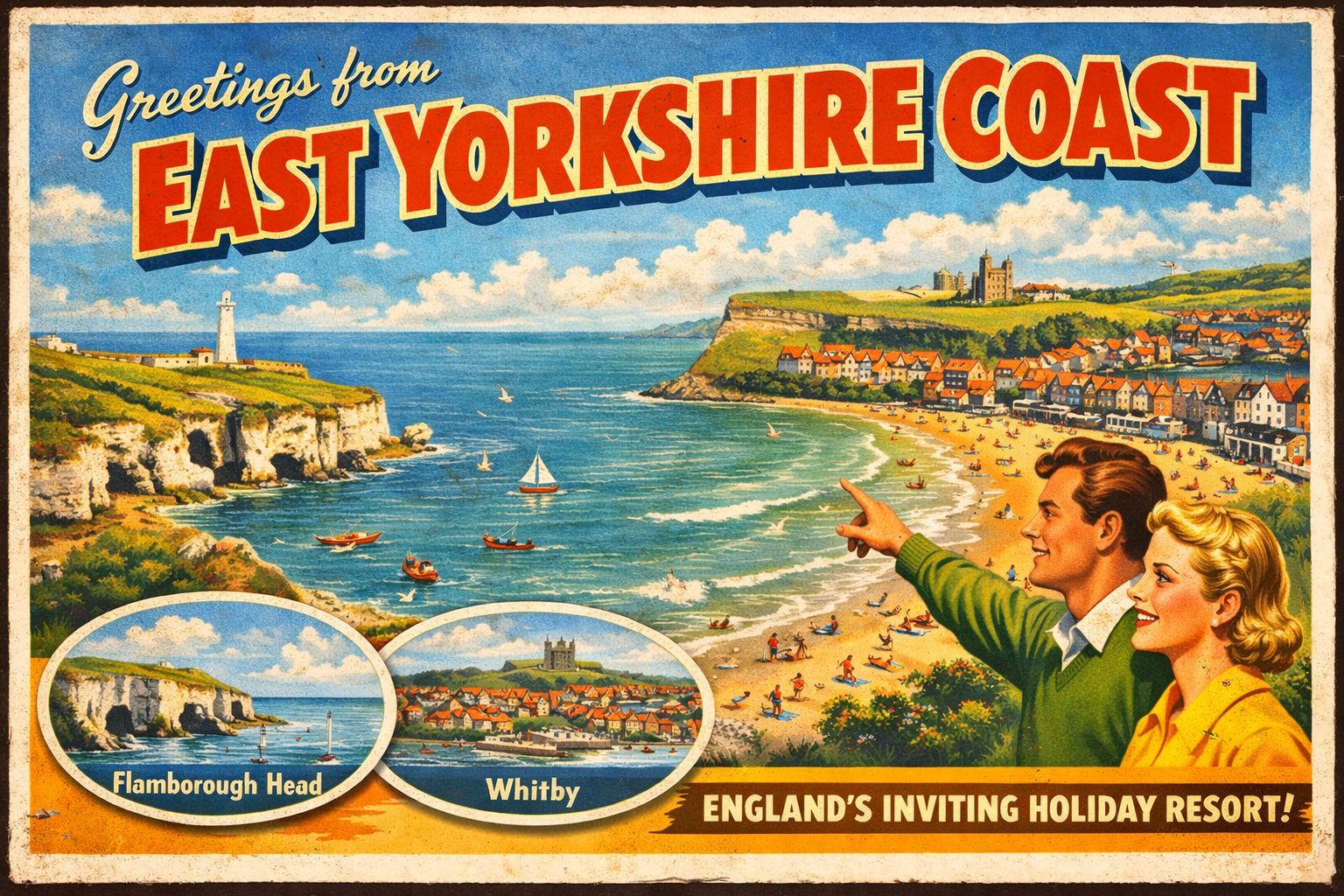
The East Yorkshire coast extends from the Humber estuary northwards towards Flamborough Head, characterised by low-lying shores, soft cliffs, and a generally open aspect to the North Sea. The coastline is relatively straight with few natural harbours, and much of it is subject to gradual erosion and shifting coastal features.
Settlements are spaced along the coast, often associated with river mouths or modest inlets. The area is shaped by strong tidal influence from the Humber and exposure to prevailing easterly and northerly weather systems.
Local Operating Context (for Liveaboard Boaters)
Navigation in this area is influenced by tidal flows, particularly near the Humber estuary where currents can be strong and variable. Timing of movement is often dependent on tidal windows and weather conditions.
Shelter along the open coast is limited, and opportunities to remain offshore comfortably may depend on sea state and wind direction. Planning tends to prioritise cautious route selection and awareness of fallback options.
Shore access is generally straightforward in settled conditions at recognised landing points, though infrastructure may be limited outside larger settlements. Conditions can change quickly, affecting approach and departure.
Longer-term stays at anchor are less typical along exposed stretches, with many areas better suited to transit rather than extended mooring.
Typical Conditions
- Moderate to strong tidal streams, particularly near estuarine areas
- Exposure to North Sea swell, especially in easterly winds
- Variable sea states influenced by shallow coastal gradients
- Weather systems moving rapidly across open water
Access & Shelter
- Limited natural harbours along much of the coastline
- Some shelter may be found near estuary entrances and engineered harbour areas
- Open anchorages can be exposed and dependent on wind direction
- Approach conditions may vary with tide and sediment movement
Shore Interaction
- Access typically via beaches, slipways, or harbour edges
- Landing conditions can be affected by surf and tidal range
- Facilities ashore vary by settlement size but are not assumed
- Coastal erosion may affect access points over time
Risk Factors
- Shifting sandbanks and sediment near estuaries
- Exposure to sudden weather changes from the North Sea
- Limited refuge options along open stretches
- Strong tidal flows and overfalls in certain conditions
Overall Character
This coastline presents a relatively exposed and dynamic operating environment, shaped by tidal influence and open sea conditions. It is generally better suited to careful passage planning than prolonged static use, with conditions often dictating movement and positioning.
Notable Locations
-
Humber Estuary – A major tidal inlet with strong currents and significant commercial traffic, requiring careful navigation planning.
-
Spurn Head – A narrow spit marking the estuary entrance, with shifting sands and changing approaches.
-
Bridlington Bay – A broad bay that may offer some temporary shelter depending on wind direction and sea state.
-
Flamborough Head – A prominent headland with cliffs and tidal effects, often influencing local sea conditions.
Practical Mooring & Anchorage Locations
Hull Marina
- Type: Marina
- Shelter: Protected from all wind directions within enclosed docks
- Exposure: Minimal internal exposure, but approach via Humber can be affected by wind-over-tide conditions
- Key Constraints: Strong tidal currents in the River Humber; commercial shipping traffic; lock access required
- Traffic Level: High
- Liveaboard Suitability: High
- Notes: Well-established marina with full services and long-stay berths. Access is tide-dependent and requires careful timing on the Humber.
Royal Dock Marina (Grimsby)
- Type: Marina
- Shelter: Fully enclosed dock offering good protection from all directions
- Exposure: Minimal internal exposure; outer approach exposed to Humber estuary conditions
- Key Constraints: Lock entry dependent on tidal state; commercial port operations nearby
- Traffic Level: Medium
- Liveaboard Suitability: Medium
- Notes: Located within historic dock system with marina facilities. More industrial surroundings but practical for secure berthing.
Bridlington Harbour
- Type: Harbour / Marina
- Shelter: Good shelter from northerly and westerly winds; limited protection from easterly swell
- Exposure: Can become uncomfortable in strong easterly or northeasterly conditions
- Key Constraints: Harbour entrance can be affected by swell and tidal state; busy fishing and leisure activity
- Traffic Level: High
- Liveaboard Suitability: Medium
- Notes: One of the main coastal harbours in the area with visitor and permanent berthing. Conditions outside the harbour can deteriorate quickly in onshore winds.
Spurn Head (Humber Estuary Anchorage)
- Type: Anchorage / Estuary
- Shelter: Limited shelter depending on wind direction; partial protection in lee of sand spit in settled conditions
- Exposure: Highly exposed to North Sea swell and shifting wind directions
- Key Constraints: Strong tidal streams; shifting sands and constantly changing seabed; commercial traffic in Humber approach
- Traffic Level: Medium
- Liveaboard Suitability: Low
- Notes: Used mainly as a transient anchorage rather than overnight stay location. Requires careful local knowledge due to dynamic conditions.
Goole (River Ouse / Aire & Calder Navigation)
- Type: River Mooring / Inland Port
- Shelter: Sheltered inland river environment with protection from all wind directions
- Exposure: Minimal weather exposure; river current and flooding risk more relevant than wave action
- Key Constraints: Tidal influence up to inland limits; lock and navigation control on approach via Humber
- Traffic Level: Medium
- Liveaboard Suitability: High
- Notes: Established inland port with long-term mooring potential. Access requires transit through the Humber estuary and lock-controlled waterways.
Operational Support Infrastructure (Public Services)
Healthcare
Healthcare services are available within inland towns and coastal settlements, typically requiring travel from landing points. Availability and proximity vary depending on location.
Emergency Services
Emergency response is coordinated through national services, with coastal coverage including lifeboat and coastguard operations. Response times may depend on exact position and conditions.
Postal Services
Postal facilities are generally accessible within established towns, though not directly available from remote coastal landing areas.
Civic Services
Basic civic services are provided through local authorities in nearby settlements. Access may require transit inland from the shoreline.
Visitor Information
Visitor information is typically available in larger coastal towns, offering general guidance on the area, though not always tailored to marine use.
Practical Notes for Boaters
This section will be developed over time based on direct experience and relevant contributions. The focus is on practical usefulness rather than completeness.
From the Project
Observations and notes from the ongoing boat conversion and coastal exploration project will be added here as they become available.
Related Knowledge Base
- Coastal erosion processes
- Sedimentary rock formations
- Harbour types and access
- Tidal patterns and coastal conditions
Status
This is part of a growing coastal index. Content will be expanded over time as the project develops.