

hamstersahoy
The Mad, Bad Tale of a Bum, a Rusty Boat, a Hamster, Three Psychotic Chicks & a Ghosty Geezer!
Home Project Journal Insights Photography Applied Lessons

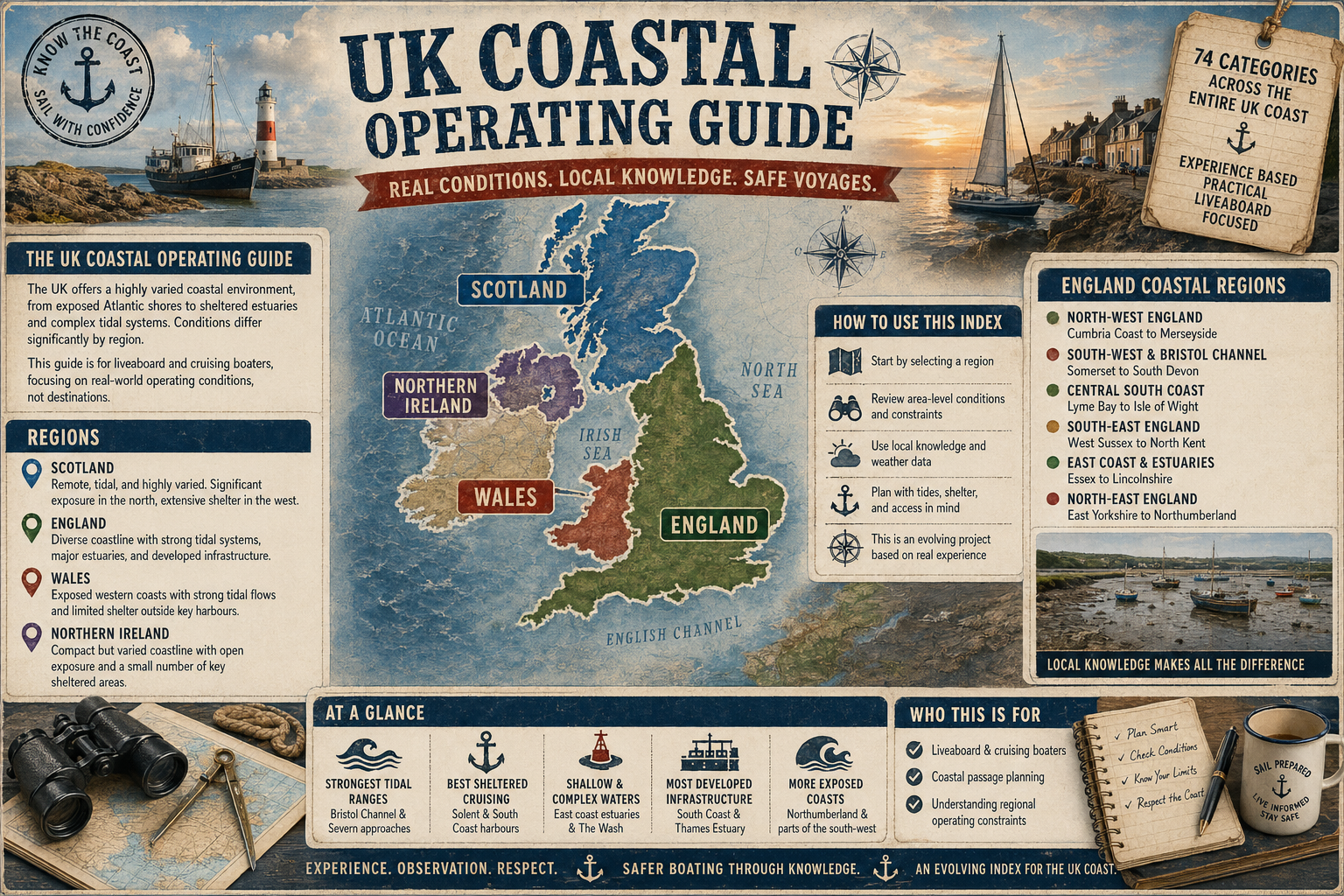
A FREE HamstersAHOY! Resource For UK Liveaboard Cruisers

Find Your Cruising Ground here

HamstersAHOY!
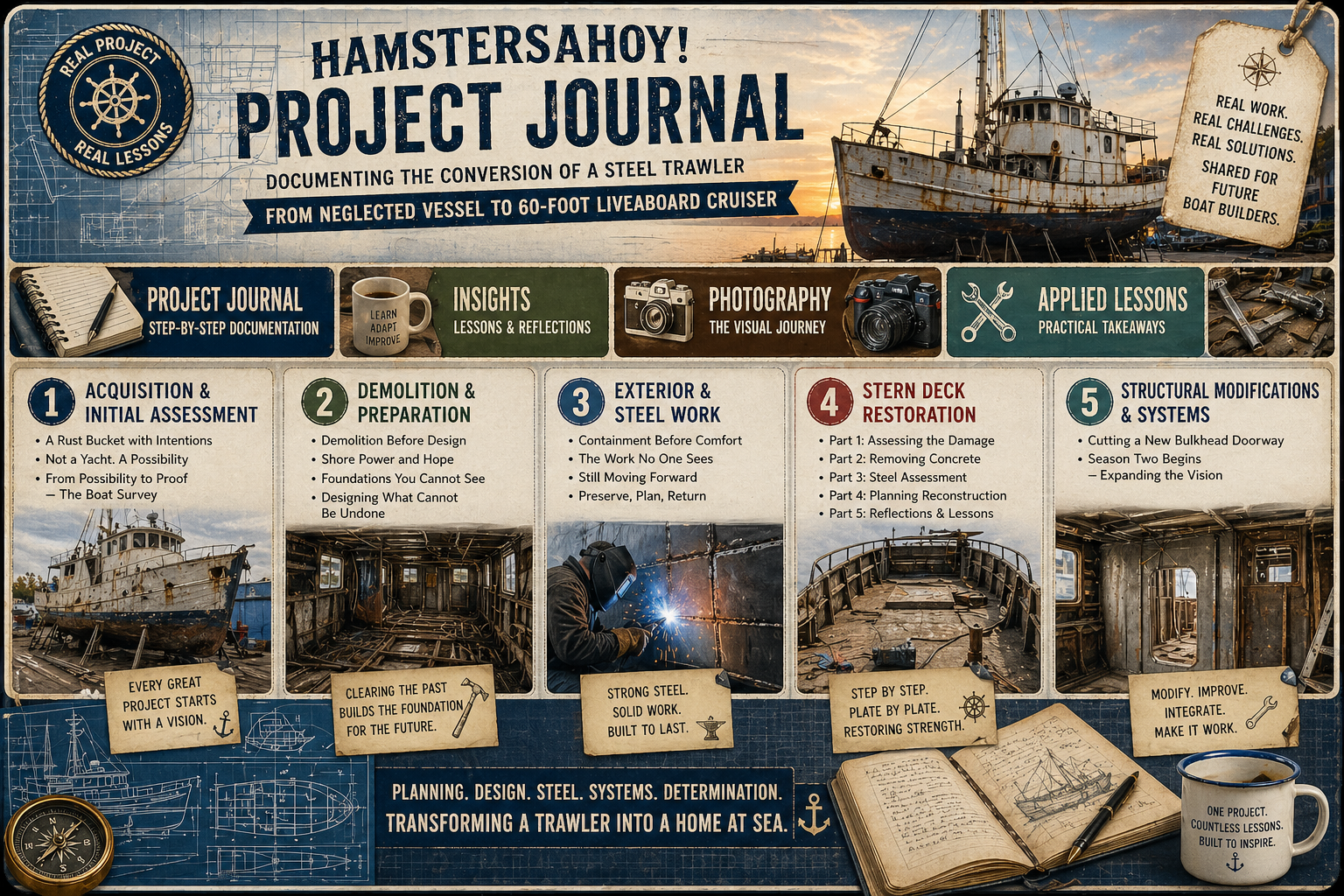
Project Journal

Follow Our Conversion

Captain Pedro's
Ocean Adventures

Captain Pedro's Ocean Adventure

Follow The EPIC Journey

HamstersAHOY!
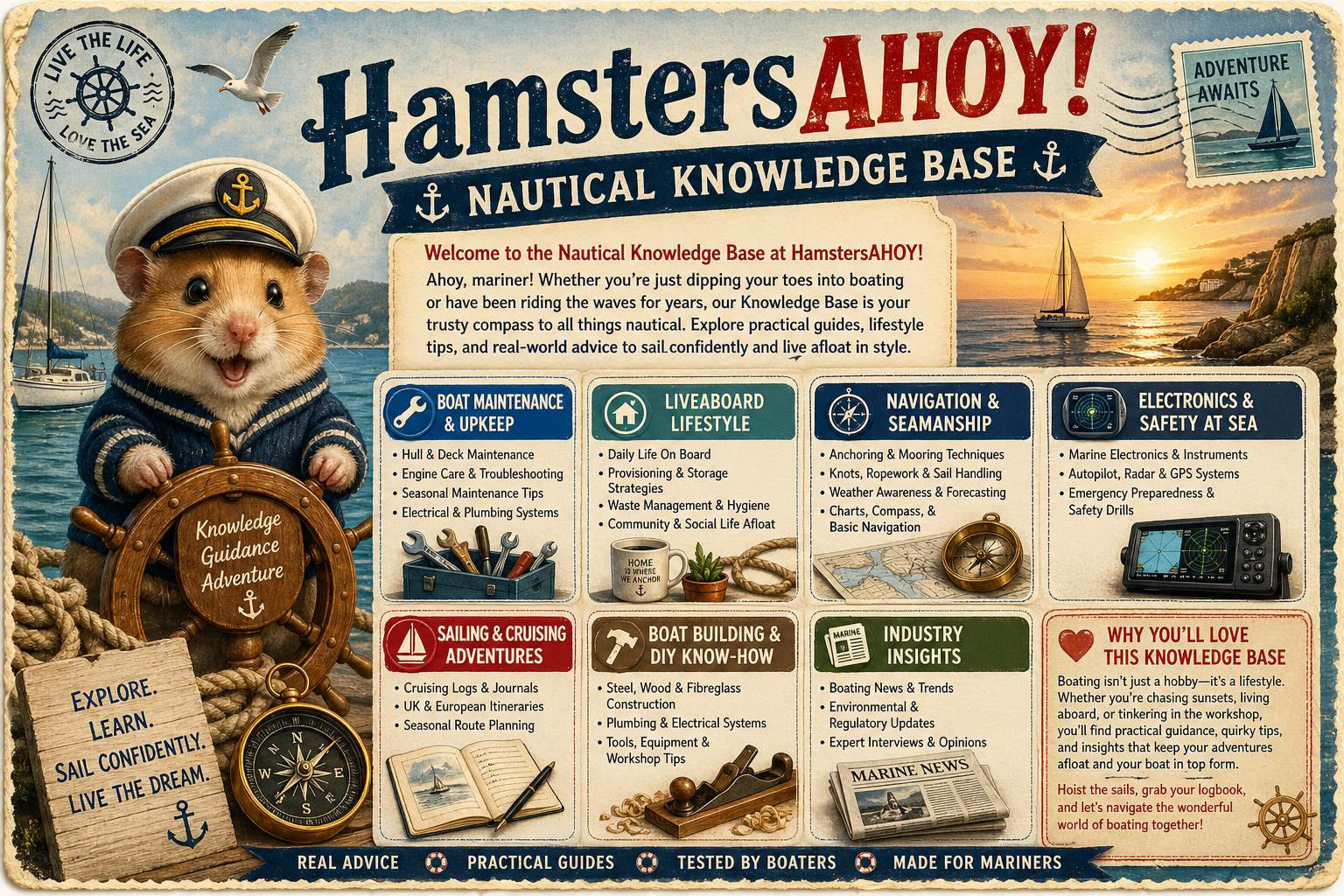
Nautical Knowledge Base

Boating Skills To Keep You Afloat

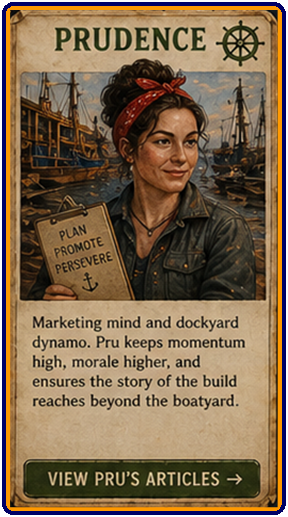
Meet Prudence Fishwater — Marketing, Pink Gin, and Fleeting Dockyard Fame

Pru joined HamstersAHOY! in 2024 and quickly rose to become First Mate in the dockyard. Her impressive range of positions would have made anyone a millionaire by 25, but Pru prefers to command a flotilla from the poop deck with Pink Gin in hand.

A Little About Pru

♦   Marketing talent with creative flair and a dash of chaos

♦   Hands-on dockyard experience, briefly tackling boat building and welding

♦   Unerring commitment to the project’s morale and visibility

Pru’s Role in the Project

Pru brings energy, creativity, and occasional wild ideas to the conversion process. While she may not wield a welder every day, her influence is felt through branding, documenting progress, and keeping the team’s spirits high.

Next in the Series

Meet the one who prefers to remain unseen yet exerts influence behind the scenes. Next: The Invisible Partner →

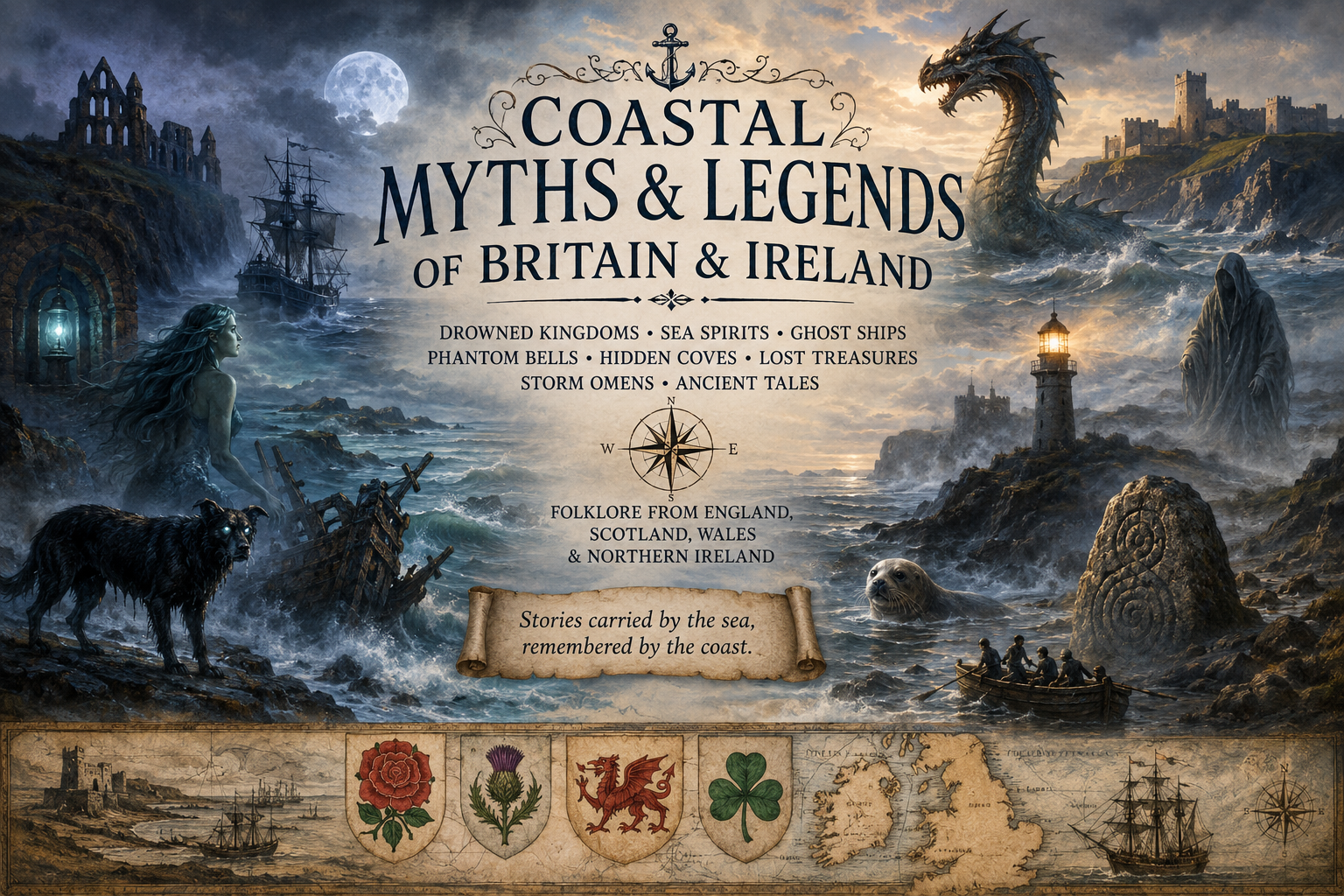
Norfolk Coast: Black Shuck Tradition in Coastal Waters and Inland Shore

  • Norfolk Coast

The Norfolk Coast, facing the North Sea from Hunstanton to Winterton and enclosing the low-lying reaches of The Wash, carries a long-standing regional association with the figure known as Black Shuck. In local tradition this is described as a large black dog, sometimes recorded as appearing along lanes, churchyards and exposed coastal ground. The accounts are uneven in detail and origin, and are best regarded as part of East Anglian oral tradition rather than a single coherent legend.

East Sussex: Black Dog Apparitions Along the Cliff Paths

  • East Sussex Coast

Along the exposed coast of East Sussex, particularly between Seaford Head, Beachy Head and the approaches to Hastings, there persists an old association with the appearance of black dogs upon the cliff paths and downland tracks overlooking the Channel. The tradition is well established in Sussex folklore and forms part of a wider body of coastal and inland beliefs found across southern and eastern England. In East Sussex the stories are generally restrained in character, describing a silent animal encountered at dusk or in poor weather near the cliff edge, vanishing without sound or trace.

Brighton & Lewes Coast: Victorian Mermaid and Aquarium Folklore

  • Brighton & Lewes Coast

The coast between Brighton and the eastern approaches toward Newhaven and Seaford retains a modest body of maritime folklore associated with mermaids, sea curiosities and the public aquaria of the Victorian period. Unlike the older fishing superstitions of the West Country or the more isolated traditions of northern shores, the folklore here developed largely alongside Brighton’s emergence as a fashionable seaside resort during the nineteenth century. The stories are therefore less ancient in character and are often linked with exhibition culture, storm wreckage and the public fascination with marine life encouraged by the Channel coast.

West Sussex Coast — Mooncussers and Wrecking Legends

  • West Sussex Coast

Along the low and shifting shoreline of West Sussex there survives a modest body of maritime folklore connected with wrecking and the so-called “mooncussers”, a term more commonly associated with deceptive shore lights and opportunistic salvaging along hazardous coasts. In Sussex the tradition is comparatively restrained and less deeply rooted than in Cornwall or parts of Wales, though references to suspicious wrecking tales and doubtful coastal practices appear from time to time in local histories of the Channel shore. Much of the folklore is attached not to dramatic cliffs, but to the difficulties of navigation presented by shoals, tidal banks and poorly marked approaches before modern harbour works and navigational aids were established.

The Ghost Hound of St Catherine’s Down

  • Isle of Wight

The coastal highlands of St Catherine’s Down, at the eastern extremity of the Isle of Wight, have long been associated with the figure of the so-called Ghost Hound. Local tradition, with strong roots among the communities of Sandown and Shanklin, recounts the appearance of a spectral canine on the chalk escarpments overlooking the English Channel. Sightings are reported primarily along the cliff tops, particularly during autumn evenings when mists frequently settle over the downs, though accounts vary and lack precise documentation.

Western Solent – Notes on Drowned Church Bell Traditions

  • Solent West

Within the pilot folklore of the western Solent there are occasional references to “drowned church bells”, a motif more widely recorded along parts of the southern English coast than it is firmly anchored to any single parish or harbour. In the west Solent sector—broadly encompassing the approaches off Hurst Spit, Lymington River, Yarmouth Roads and the western Isle of Wight—such accounts are best treated as fragmentary maritime tradition rather than a clearly documented local legend. The strength of association in this area is moderate and uneven, often appearing in antiquarian notes or later compilations of coastal lore without primary corroboration.

Torbay & Teignmouth: Sea Serpent Sightings

  • Torbay & Teignmouth

The waters between Berry Head, Hope’s Nose and the approaches to the Teign Estuary have long carried occasional reports of unusual creatures seen offshore, particularly during calm weather or periods of heavy summer haze. Accounts of a so-called “sea serpent” in Torbay belong chiefly to the nineteenth century, when local newspapers and harbour communities around Brixham, Paignton and Teignmouth recorded scattered sightings of a long-backed animal moving at speed across otherwise settled water. Though never consistently described, the reports became part of the broader maritime folklore of South Devon.

  1. North Cornwall and the Lost Land of Lyonesse
  2. Wirral & Dee Estuary: Estuary Weather Omens and Marsh Traditions
  3. Essex Rivers: Notes on Reported Phantom Bargemen in Tidal Creeks
  4. Harbour Havoc and Other Minor Disasters
  5. The Phantom Gull of Weymouth

Page 1 of 4

  • 1
  • 2
  • 3
  • 4

Advanced Search

Pedro's Locker

"All Aboard!"
"Sorry, No Boarding Pass = No Entry!"

  • Forgot your password?
  • Forgot your username?

Random Images ...

Five To Check Out ...

  • Marine Sandwich Construction: Core Materials and Composite Strength in Fibreglass Boat Building
  • UK Coastal Passage Planning: Choosing the Right Weather Window for a Safer Cruising Adventure
  • Practical Boat Owner – UK Boat Technology & Maintenance Tips 2026
  • Scarf Joints in Wooden Boat Construction: Extending and Repairing Marine Timbers
  • Fire Safety Equipment for Liveaboard Boats: Extinguishers, Blankets, and Prevention

Site Articles

Everything you ever wanted to know about HamstersAHOY! is right here ...

  • Terms & Conditions
  • Privacy Policy
  • Cookie Notice
  • About & Contact
  • Sitemap

... Completely boring yet highly essential.

"Knock yerself out, Skippy!"