





West Sussex Coast - Area 35
Overview
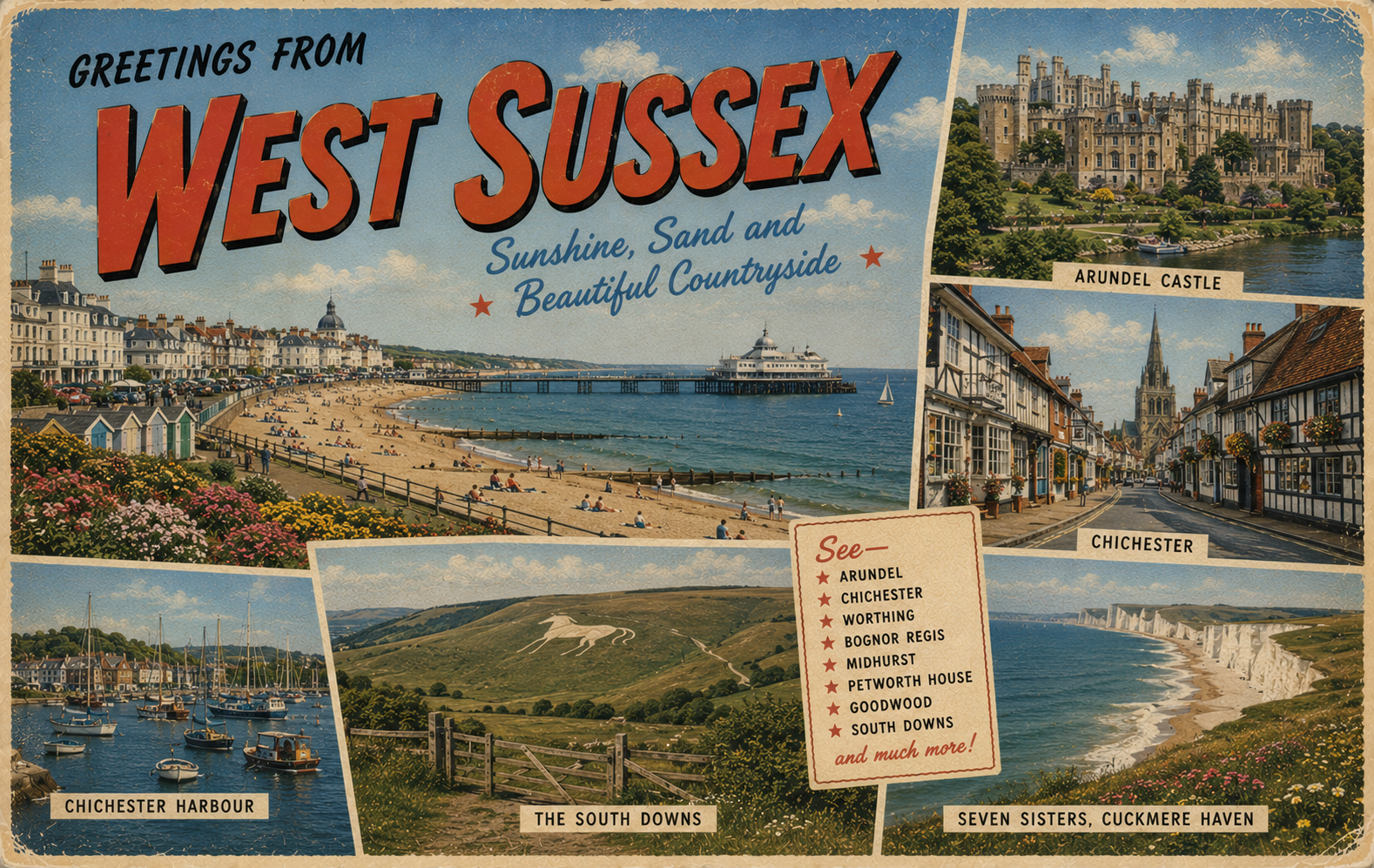
The West Sussex Coast is a largely tranquil stretch of coastline, offering a variety of coastal features from sandy beaches to rugged cliffs. Its gentle waters and proximity to the South Downs make it a notable spot for liveaboard boaters seeking calm, less congested areas. However, the area’s accessibility to urban centres also introduces certain challenges, particularly in relation to tides and weather variability.
The coastline is largely undeveloped, with some areas accessible by boat and others requiring careful navigation around shallows and tidal inlets. While generally calm, boaters should remain mindful of the potential for adverse weather conditions, especially during the winter months when strong winds are more frequent.
Local Operating Context (for Liveaboard Boaters)
The West Sussex Coast offers a relatively quiet environment for liveaboard boating, with several accessible anchorages. However, boaters should take note of the varied conditions depending on location, tides, and seasonal weather patterns. Facilities for provisioning and shelter are limited, and liveaboard boaters may need to plan carefully for longer stays.
The area is not overly developed, which can mean fewer interruptions, but it also means fewer options for support services. Many areas of the coast offer good access to deeper waters, though care must be taken in certain shallow regions.
Liveaboard boaters can expect a range of coastal experiences, from open bays that offer peaceful anchorage to stretches where the tide can rapidly shift and pose risks. It’s important to check local conditions regularly, as the area is often exposed to changing weather patterns.
Boaters may find shelter in certain coves and bays, but these are often small and may offer limited shelter depending on the wind direction. It is advisable to have contingency plans in place in case weather or tide conditions change unexpectedly.
Typical Conditions
- Generally mild weather with moderate wind and occasional rain showers, particularly in the winter months.
- Water temperature ranges from cool to mild, with fluctuations during seasonal changes.
- Variable tidal ranges can affect access to certain areas, particularly around shallow inlets.
- Coastal winds can be unpredictable, with calmer conditions near the shore but stronger gusts further out to sea.
Access & Shelter
- Many areas offer good boat access, though some coves are prone to becoming exposed in strong winds.
- Anchoring is possible in several locations, but careful consideration of tidal shifts is essential.
- The shoreline is largely unspoiled, meaning few man-made shelters or facilities are available in some areas.
- Shallow waters in certain areas may restrict access for larger vessels, especially at low tide.
Shore Interaction
- Beaches are generally peaceful, with fewer crowds than more commercial coastal regions.
- Boaters may find opportunities for shore-based activities such as walking and fishing, though facilities can be limited.
- In some areas, the shoreline is rocky, requiring careful navigation when approaching.
- Public access to the shoreline is available in some parts, though private land can limit easy access to the coast.
Risk Factors
- Strong tides and shifting sandbanks can pose risks in some parts of the coastline, especially at low tide.
- Storms and adverse weather conditions, particularly in the winter months, may increase risk factors for boaters.
- Some areas may be more exposed to the open sea, with wind and swell conditions that can change unexpectedly.
- Shallow waters near the shoreline can present grounding hazards for vessels that are not carefully navigated.
Overall Character
The overall character of the West Sussex Coast is one of natural beauty and calm, though with some exposure to the elements. While not as heavily trafficked as other parts of the UK coastline, it provides a peaceful environment for liveaboard boaters who are prepared for the occasional unpredictability of the weather and tides.
Notable Locations
-
Bognor Regis – A popular seaside resort with some access for boats, though areas may become crowded in the summer.
-
Littlehampton – A town with a working harbour offering some shelter, but it can be exposed to the prevailing westerly winds.
-
Chichester Harbour – A large estuarine area with limited shelter at times, but popular for its relatively calm waters.
-
Shoreham Harbour – Known for being more industrial, but offers access for smaller vessels and is generally sheltered from strong winds.
Practical Mooring & Anchorage Locations
Chichester Harbour
- Type: Estuary
- Shelter: Well protected from SW through to SE winds; some exposure to strong northerlies in outer channels
- Exposure: Short fetch areas can become choppy in strong easterly or southerly winds, especially near the entrance
- Key Constraints: Shallow channels with shifting sands; strong tidal streams at the entrance; need for careful navigation of marked channels
- Traffic Level: High
- Liveaboard Suitability: High
- Notes: Extensive sheltered estuarine system with multiple anchorages and mooring options. Popular with cruising and long-stay vessels, especially in summer.
Itchenor Marina
- Type: Marina
- Shelter: Strong protection from most wind directions within Chichester Harbour
- Exposure: Minimal internal exposure; outer approach can be affected by tide and wind against tide conditions
- Key Constraints: Tidal access required; drying areas in surrounding creeks; marina berth availability can be limited
- Traffic Level: Medium
- Liveaboard Suitability: High
- Notes: Established marina with good long-stay facilities. Particularly suitable for vessels based within the harbour system.
Bosham Quay
- Type: Harbour / Mooring
- Shelter: Good shelter from prevailing southwesterlies within the creek system
- Exposure: Exposed at low water on drying mudflats; limited protection in strong northerly winds
- Key Constraints: Strong tidal range; drying moorings; navigation restricted to high tide access for deeper draft vessels
- Traffic Level: Medium
- Liveaboard Suitability: Medium
- Notes: Traditional tidal village moorings with strong tidal dependence. Suitable for experienced coastal boaters familiar with drying conditions.
East Head Anchorage
- Type: Anchorage
- Shelter: Good shelter from westerly winds behind the sand spit
- Exposure: Exposed to easterly and southerly swell from the Solent entrance
- Key Constraints: Holding ground varies; tidal currents around the harbour entrance; shifting sandbanks
- Traffic Level: High
- Liveaboard Suitability: Medium
- Notes: Popular short-stay anchorage with good holding in settled conditions. Can become uncomfortable in onshore winds.
Littlehampton Harbour
- Type: Harbour
- Shelter: Moderate shelter within inner harbour; exposed at river entrance in strong swell conditions
- Exposure: Westerly and southerly swell can create surge at entrance; river conditions affected by tide and wind
- Key Constraints: Tidal bar at entrance; strong tidal stream on River Arun; commercial traffic movements
- Traffic Level: Medium
- Liveaboard Suitability: Medium
- Notes: Working harbour with marina and river moorings. Suitable for vessels able to manage tidal access requirements.
Shoreham Harbour
- Type: Harbour
- Shelter: Good shelter from offshore winds; generally protected within harbour basin
- Exposure: Exposed to south-easterly swell at entrance channel in poor weather
- Key Constraints: Commercial port operations; tidal access; strong currents near harbour mouth
- Traffic Level: High
- Liveaboard Suitability: Medium
- Notes: Industrial harbour with marina facilities and moorings. Practical base with good access but less recreational character.
Marine Safety & Support
HM Coastguard provides search and rescue coordination throughout the area, supported by local Coastguard Rescue Teams and RNLI lifeboat stations where established. Emergency medical facilities and essential services are generally available in the principal coastal towns and regional centres serving the area.
Coastal Guardians & Local Support
The coastal community is strengthened by organisations that share practical knowledge, support visiting boaters and help maintain the quality of information within the UK Coastal Operating Guide.
The following Coastal Guardian positions are currently available or reserved.
*** Please note: Only five (5) Guardian berths are available in this coastal area ***
⚓ Example Marine Engineering & Vessel Support
Location • Marine Engineering • Repairs & Servicing
This position is reserved for a recognised local marine engineering business providing servicing, repairs and technical support to cruising and liveaboard vessels operating within this coastal area.
Best for: Vessel maintenance and engineering support
⚓ Example Chandlery & Marine Supplies
Location • Marine Supplies • Equipment & Gear
Reserved for a local chandlery or marine supplier helping visiting boaters obtain equipment, safety gear and essential stores for safe coastal cruising.
Best for: Cruising equipment and essential stores
⚓ Example Boatyard & Marine Services
Location • Marine Services • Specialist Support
This position is reserved for a local boatyard or marine service provider offering lifting, storage, maintenance and specialist support for vessels visiting the area.
Best for: Boatyard facilities and vessel maintenance
⚓ Example Marina, Harbour & Visitor Facilities
Location • Visitor Facilities • Practical Support
Reserved for a local organisation providing practical services that support visiting boaters and contribute to the wider maritime community.
Best for: Practical local boating support
⚓ Example Local Maritime Services & Coastal Knowledge
Location • Coastal Knowledge • Marine Information
This position recognises an organisation whose local knowledge and practical contribution help strengthen the quality of information available to visiting mariners.
Best for: Local knowledge and community support
Status:Five (5) Berths Available. Reserved for Coastal Guardians Only
Additional marine businesses, marinas and specialist services are listed within the Ship's Office.
UK Public Services & Infrastructure
Public services, healthcare, emergency response and essential facilities are available throughout the UK coastline. Provision is generally strongest in larger towns and regional centres, while remote rural and island areas may offer more limited local access.
Practical Notes for Boaters
This section will be developed over time based on direct experience and relevant contributions. The focus is on practical usefulness rather than completeness.
From the Project
Observations and notes from the ongoing boat conversion and coastal exploration project will be added here as they become available.
Related Knowledge Base
- Coastal erosion processes
- Sedimentary rock formations
- Harbour types and access
- Tidal patterns and coastal conditions
Status
This is part of a growing coastal index. Content will be expanded over time as the project develops.