

The shores of the Dee Estuary have long carried a modest body of maritime folklore shaped less by dramatic legend than by the practical uncertainties of tide, fog and shifting sand. Along the England side of the estuary, from the red sandstone coast near Hoylake and West Kirby to the marshes bordering the upper Dee, local belief traditionally centred upon signs of weather, unusual lights over wet ground, and the uneasy character of the tidal flats. Such traditions were generally treated with caution rather than conviction and formed part of the ordinary seamanship lore of fishermen, pilots and marsh workers.
The Dee was historically a difficult estuary for navigation. Channels altered frequently, banks accumulated with little warning, and broad areas of mud remained exposed for long periods on the ebb. Before modern buoyage and dredging, vessels approaching the ports of Chester and the smaller Wirral anchorages relied heavily upon local pilots familiar with the state of the channels. In this setting, weather signs acquired particular importance. Accounts from the nineteenth century record local sayings concerning haze over Hilbre Island, low cloud gathering inland above the Welsh hills, or unusual stillness over the marshes before easterly weather. None were unique to the district, yet many were repeated persistently among estuary communities.
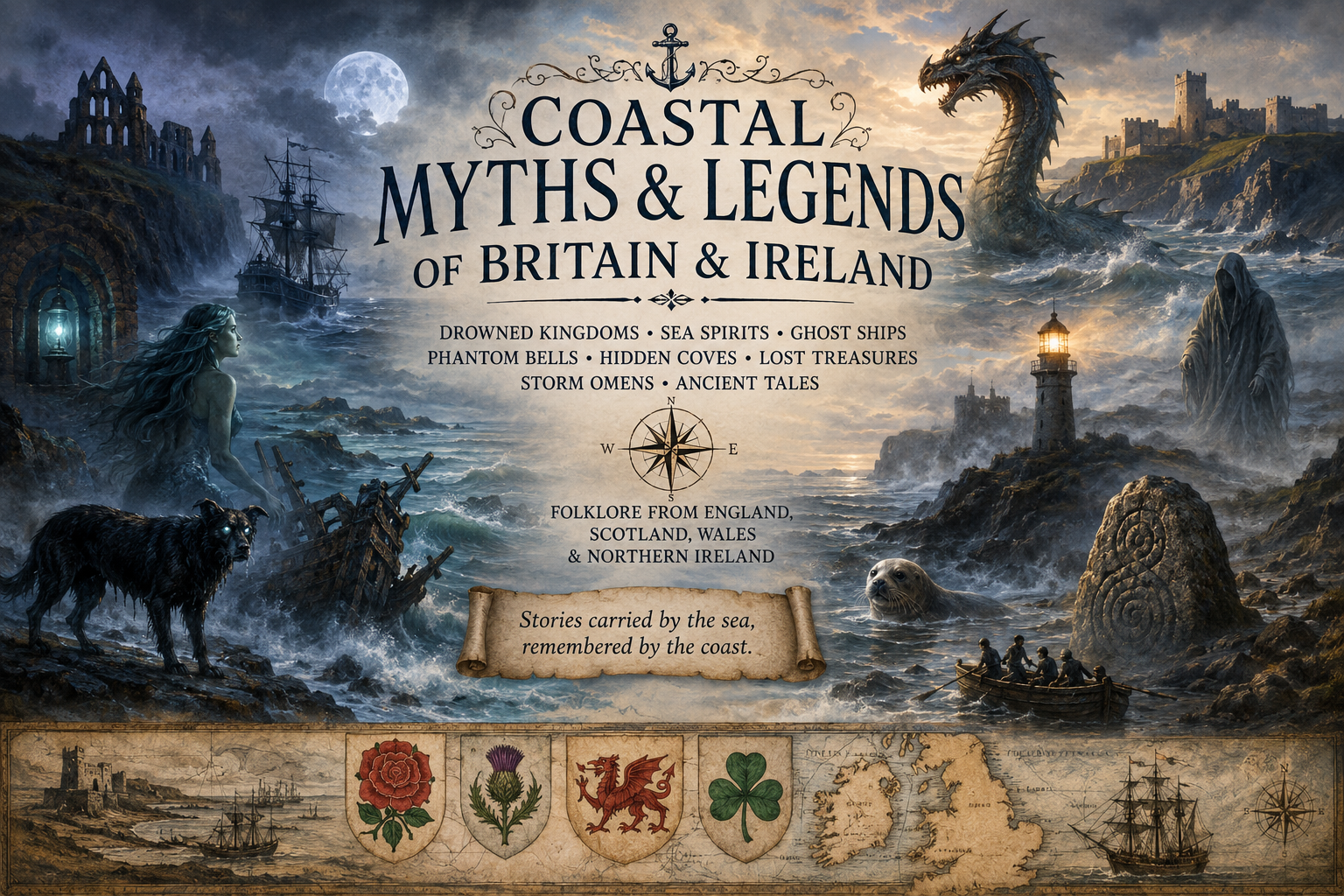
Among older fishing families near Meols and Parkgate there survived a restrained belief that the estuary marshes possessed an unfriendly character after dark, especially during periods of dense sea fret or autumn flooding tides. Reports occasionally referred to wandering figures or distant calls heard across the saltings, though these were generally attributed to distorted sound, moving mist or the hazards of the terrain itself. The marshes of the Dee are extensive and can rapidly become dangerous on a rising tide; tales warning against solitary passage across the sands likely served a practical purpose as much as a supernatural one.
References to so-called marsh spirits appear only lightly in the folklore of the district and are usually vague in description. Antiquarian collections from Cheshire and north-east Wales mention local expressions concerning “the calling marsh” or deceptive appearances seen in fog, but there is little evidence of a developed legend comparable to the stronger coastal traditions of western Wales or Lancashire. More often, the estuary’s reputation rested upon natural conditions capable of disorientating travellers and seamen alike. Mirage effects, shifting reflections across tidal water, and pale lights over marsh ground were occasionally remarked upon by boatmen, particularly in calm summer weather.
Hilbre Island, standing at the mouth of the estuary, acquired a modest reputation as a place where weather signs could be read with unusual clarity. Fishermen and yacht crews using the Dee crossing sometimes judged approaching conditions by the appearance of cloud around the island or by the colour of evening light across Liverpool Bay. Local remarks connected reddish sunsets over the Welsh coast with settled conditions, while a dull grey sea beyond the Bar was taken as warning of deteriorating visibility offshore. Such observations belonged chiefly to practical coastal experience, though repeated over generations they assumed the character of folklore.
The estuary’s tidal nature also encouraged customary caution regarding sound and distance. In fog, bells, engines and voices could carry unpredictably across the flats, especially near the channels leading towards Heswall and Thurstaston. Older accounts occasionally describe unseen movements or unexplained cries heard at night from the saltings, but these are consistent with known acoustic effects common to wide estuarial ground. Mariners familiar with the Dee generally regarded such matters as part of the estuary’s peculiar conditions rather than evidence of haunting in any dramatic sense.
Today the folklore of the Wirral and Dee Estuary survives chiefly as fragments of local memory attached to weather wisdom, dangerous tides and the subdued atmosphere of the marshes. Though lightly held and rarely elaborate, these traditions remain closely tied to the practical realities of a broad and changeable coastline where seamanship, caution and local observation were long essential to safe passage.

Comments