




Packet Ship History, Creek Communities and Oyster Traditions
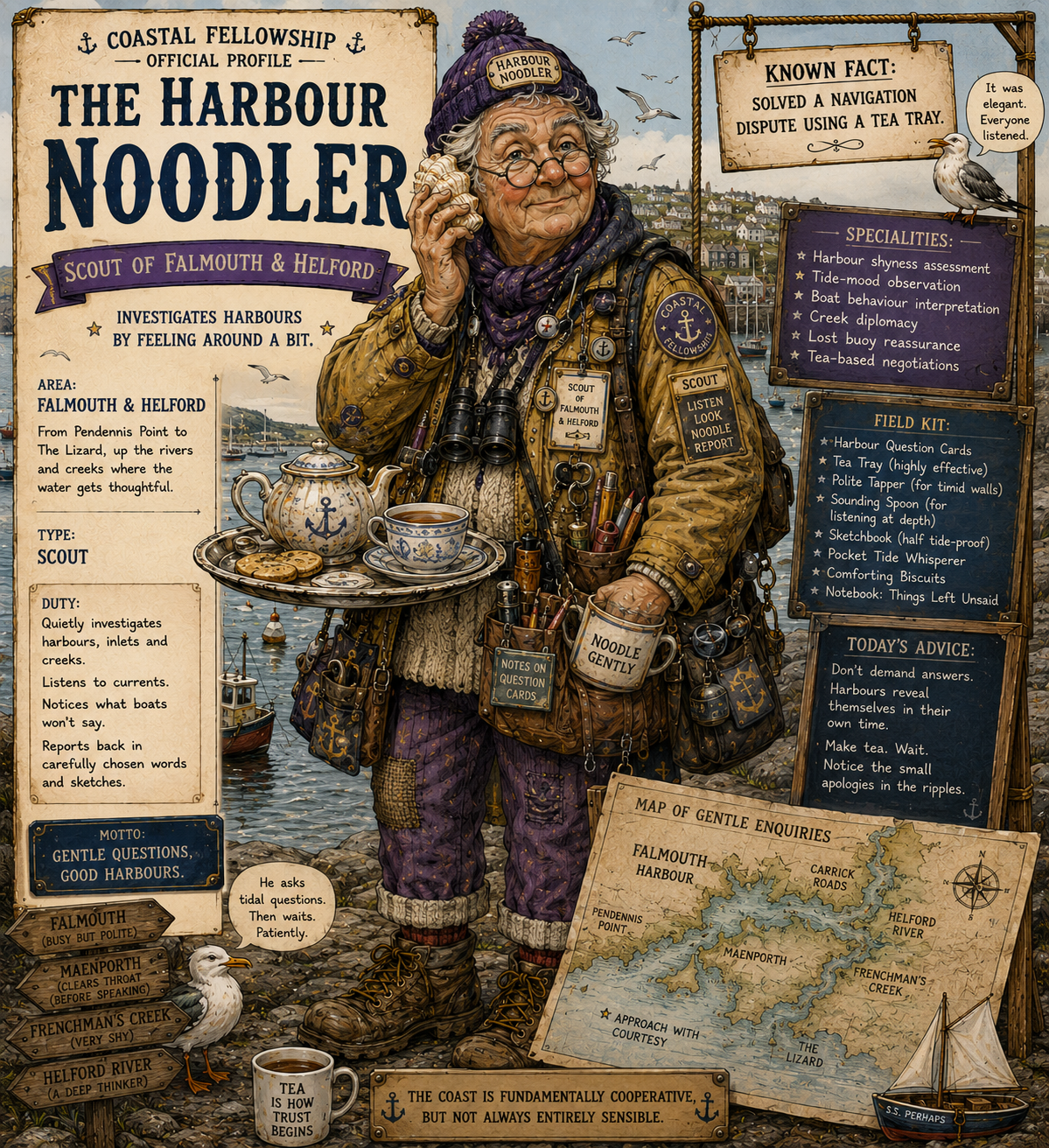
The coastline of Falmouth and the Helford River exhibits a well-defined maritime character, shaped by navigable estuaries, sheltered creeks, and a long history of packet ship activity. The combination of deep-water harbour facilities and shallow tidal creeks has sustained a network of coastal communities whose livelihoods remain closely tied to the sea.
Falmouth Harbour has served as a key packet station since the seventeenth century, providing regular dispatch services to the continent and the Americas. The harbour’s natural deep-water anchorage made it suitable for the mooring of fast-sailing packets, and the town developed specialised services including ship chandlery, rigging, and victualling. Surrounding creek communities along the Helford River historically maintained small-scale boatyards, ferry operations, and oyster fisheries, reflecting an economy adapted to both deep and shallow waters. The Helford’s tidal conditions encouraged the development of local navigation skills, with knowledge of shifting sandbanks and tidal streams passed down through generations.
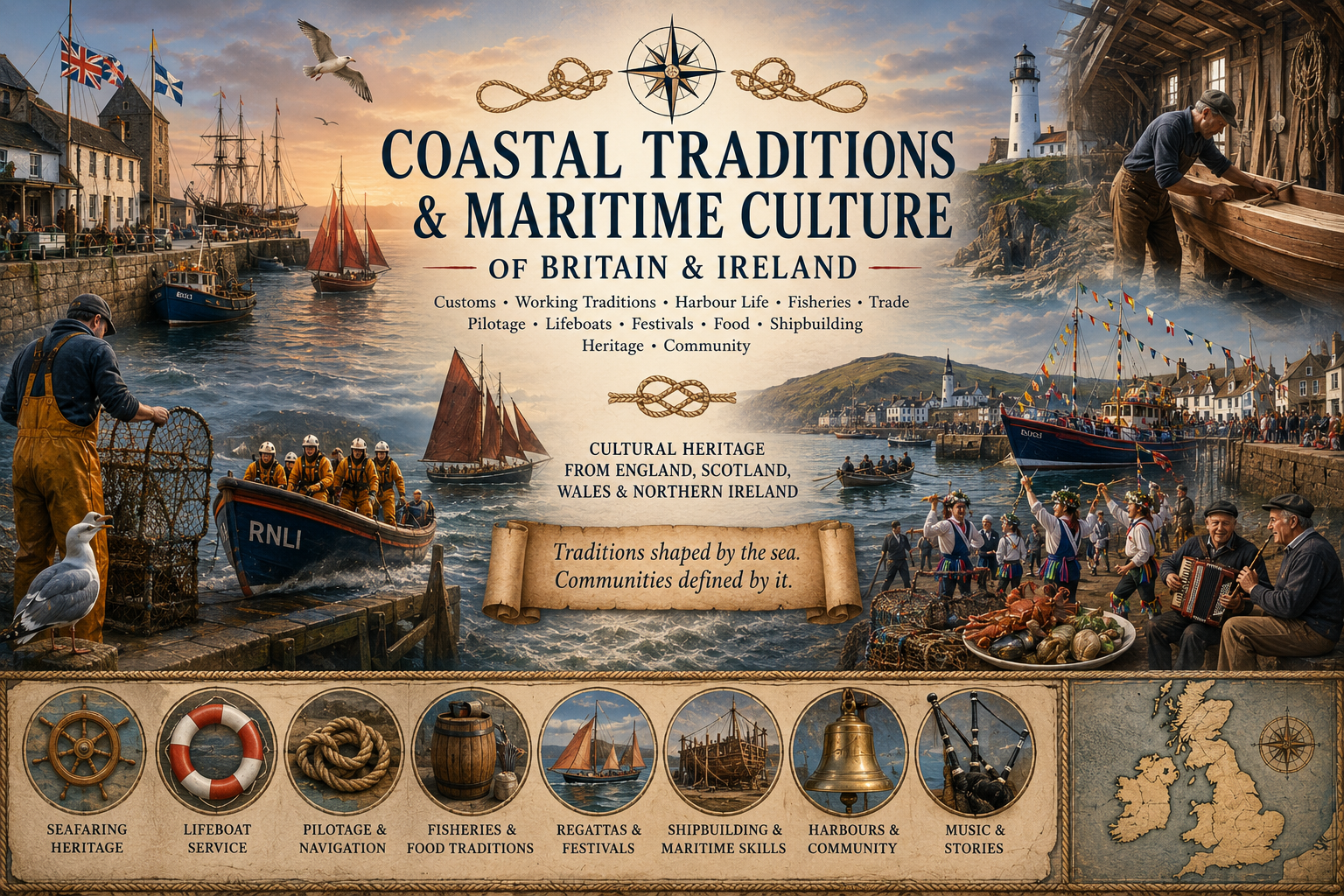
Maritime customs in the region included harbour regulations and signalling practices to coordinate the movement of packet ships and local craft. Local boat types ranged from small gaff-rigged fishing vessels to shallow-draught lighters used in oyster and pilchard fisheries. Seasonal festivals such as regattas in Falmouth often incorporated competitive sailing alongside practical demonstrations of seamanship, although these have fluctuated in intensity over time. Lifeboat services, established in the nineteenth century, became central to community identity, with volunteer crews drawn from both harbour and creek settlements. The oyster industry maintained specific routines, including tide-dependent harvesting and careful management of beds to sustain productivity, practices still evident in modern shellfisheries along the Helford.
Surviving traditions continue to reflect this maritime heritage. Falmouth retains active harbour operations and small-scale fisheries, while Helford creeks support oyster cultivation and recreational sailing that preserves local seamanship skills. Boatbuilding workshops in both areas, though reduced in scale, continue to produce and maintain traditional wooden craft, reflecting continuity of technical knowledge. Seasonal regattas and occasional maritime gatherings maintain historical links to packet ship and fishing traditions, while educational initiatives in the harbour and estuary inform both residents and visiting mariners about local tidal regimes, pilotage considerations, and the historical significance of coastal industries.
Overall, the maritime culture of Falmouth and Helford demonstrates a strong continuity of coastal practice, combining historical packet ship operations, creek-based fisheries, and oyster cultivation with modern harbour activity and small-craft sailing. The interplay between deep-water ports and sheltered estuarine creeks continues to define the character of the coastline and sustains the practical knowledge and customs of local seafarers into the present day.
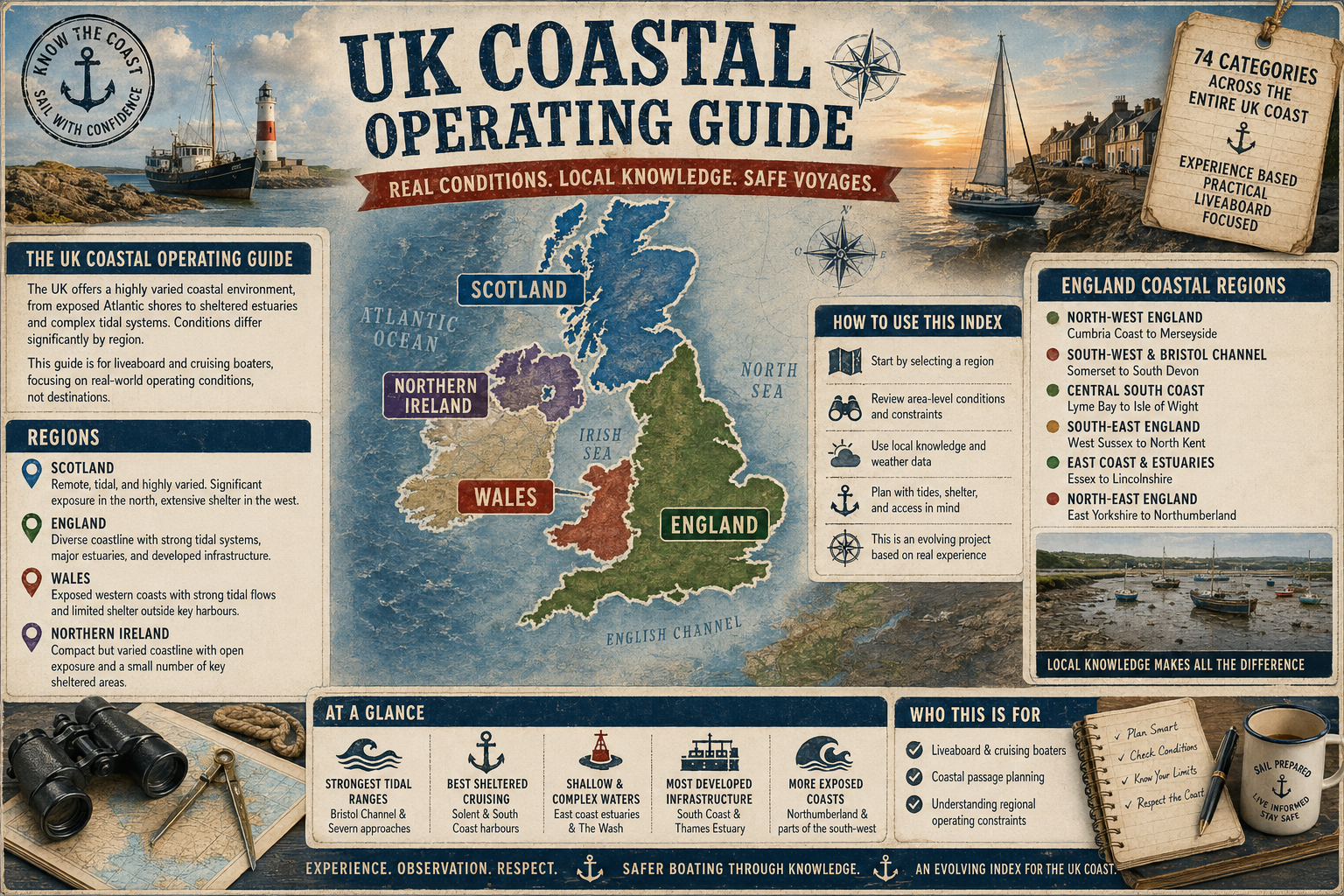
- The UK Coastal Operating Guide
- Coastal Traditions & Maritime Culture of Britain and Northern Ireland
- Coastal Myths & Legends of Britain & Northern Ireland

Comments