



Clifftop Lifeboat Heritage and Atlantic Fishing Communities
The Atlantic-facing coast of North Devon has long been associated with small fishing communities, exposed sea conditions and a strong tradition of maritime rescue. From the approaches to the Bristol Channel westwards towards Hartland Point, local coastal culture developed around practical seafaring requirements rather than large commercial ports. The estuaries of the Taw and Torridge provided sheltered access to the sea, while open-water settlements depended upon close local knowledge of tides, surf conditions and seasonal fisheries. Lifeboat service has been a particularly visible element of coastal identity, reflecting the hazards of a coastline where strong Atlantic weather, rocky shores and complex tidal streams have long presented difficulties to mariners.
Fishing formed the principal occupation in many coastal settlements. Crab and lobster fisheries have remained important along much of the coast, while line fishing and inshore netting were historically undertaken where local conditions allowed. The ports of Appledore and Ilfracombe served fishing fleets of varying scale and also participated in wider coastal trade. Vessels from North Devon carried agricultural produce, limestone, coal and other cargoes around the Bristol Channel and along the western coasts of Britain. The broad estuarial waters of the Taw and Torridge supported shipbuilding and repair for several centuries, particularly at Appledore, where maritime industries continued well into the modern period. Although commercial shipbuilding has fluctuated with changing economic conditions, its influence remains evident in local maritime skills and waterfront character.
The coastline's association with lifesaving is especially strong. Lifeboat stations at locations including Clovelly and Appledore developed in response to frequent wrecks and casualties in nearby waters. The approaches around Hartland Point, together with offshore reefs and tide races, have been recognised hazards for generations. Accounts of rescues, launches in difficult weather and the service of volunteer crews occupy an important place in local memory. In several communities, commemorative events, memorials and fundraising activities connected with lifeboat institutions continue to reinforce this tradition. While practices vary between settlements, the lifeboat remains one of the most enduring symbols of maritime service along the coast.
Local customs associated with the sea generally reflect working maritime life rather than elaborate ceremonial traditions. Harbour regattas and rowing events have been held in a number of North Devon ports, often combining practical seamanship with community recreation. Such events have changed over time but continue to provide opportunities for the use of traditional and modern small craft. In some locations, harbour days and maritime festivals incorporate recognition of fishing, rescue services and local boatbuilding, although the form and scale of these gatherings differ between communities and should not be regarded as uniform across the region.
The estuaries have historically supported distinctive waterfront practices. Tide-dependent navigation required careful timing of vessel movements, particularly before modern dredging and navigation aids. Knowledge of channels, shifting sands and local weather patterns formed part of everyday maritime experience. Pilotage and the movement of small commercial vessels were once routine features of harbour life. On Lundy, situated offshore in the Bristol Channel approaches, isolation and dependence upon maritime transport fostered a separate but related island culture centred on shipping links, fishing and the management of local anchorages.
Elements of maritime food culture also remain connected to local fisheries. Crab, lobster and a variety of fish species continue to supply local markets and businesses. Although patterns of consumption have altered, the relationship between coastal communities and inshore catches remains visible through working harbours and fish landings. The persistence of small-scale fishing enterprises helps maintain practical seafaring knowledge that has been transmitted across generations, albeit within a modern regulatory framework.
Today, North Devon's maritime culture continues through active fishing vessels, harbour operations, lifeboat stations, yacht and small-craft activity, and the ongoing use of estuarial facilities. While many former commercial functions have diminished, the connection between coastal communities and the sea remains evident in everyday practice. The traditions of rescue, fishing and seafaring work continue to shape the character of the coastline, providing a clear sense of continuity between historical maritime occupations and present-day coastal life.
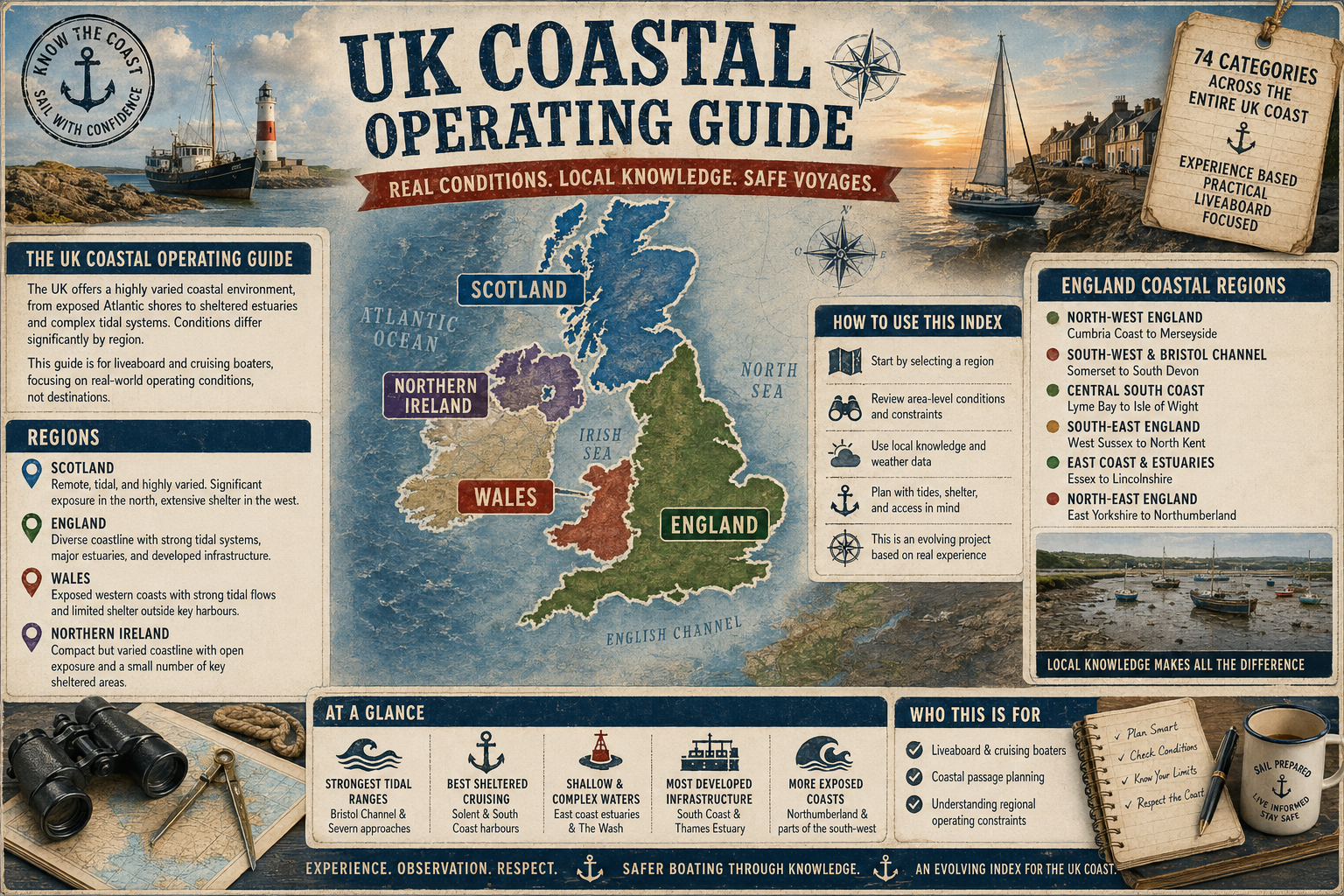
- The UK Coastal Operating Guide
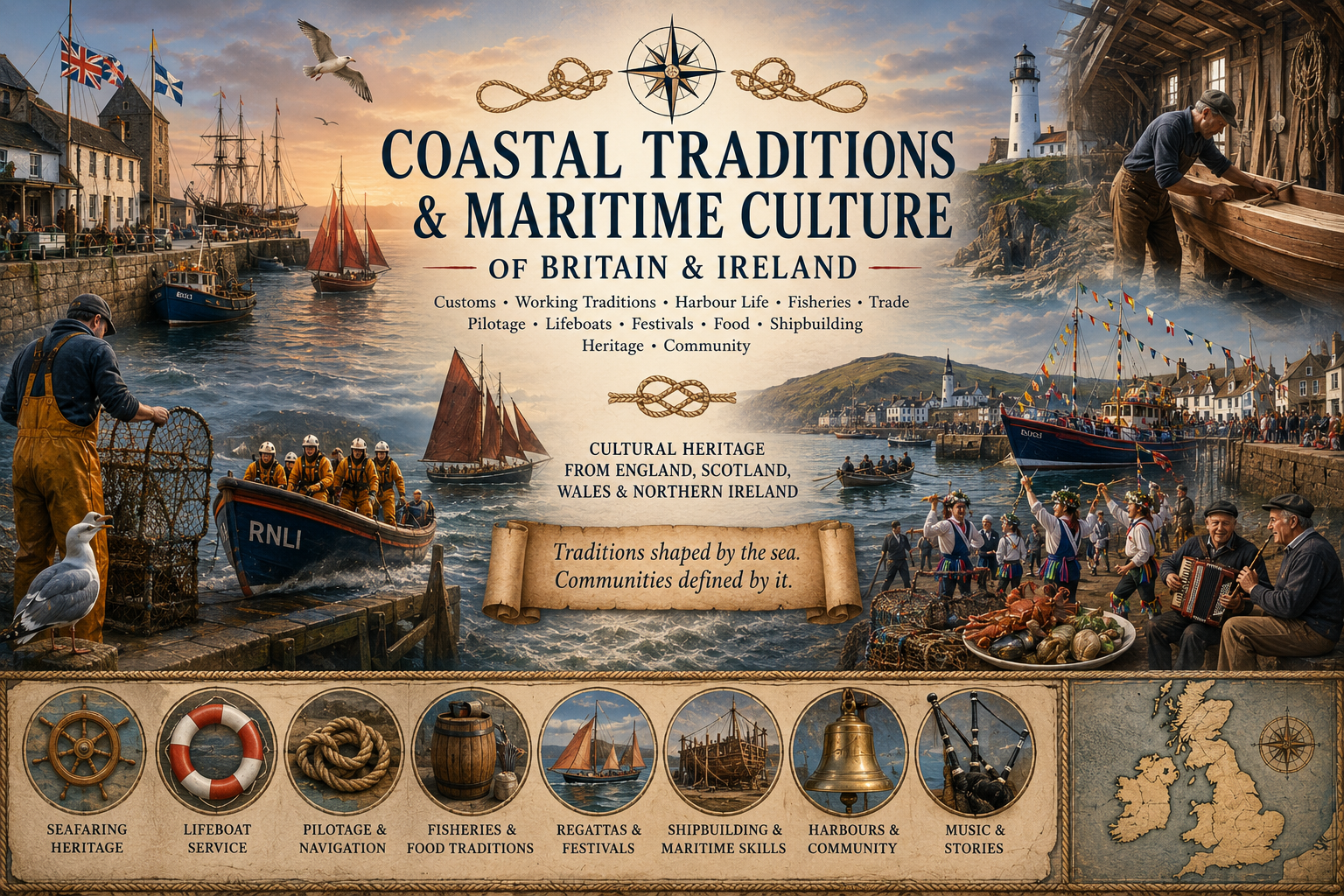
- Coastal Traditions & Maritime Culture of Britain and Northern Ireland
- Coastal Myths & Legends of Britain & Northern Ireland
Comments