




Shipbuilding, Pilotage and North Sea Fishing Culture
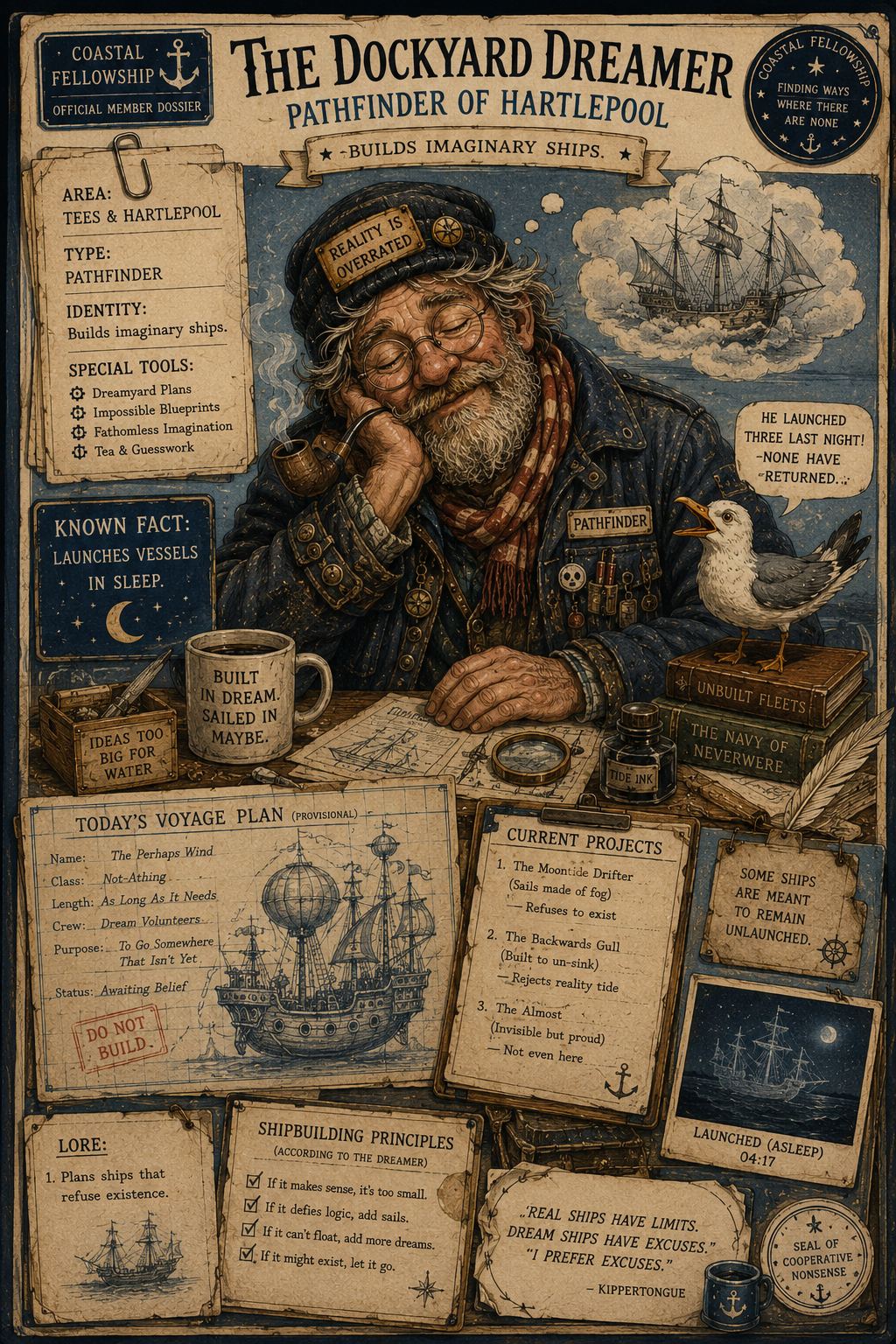
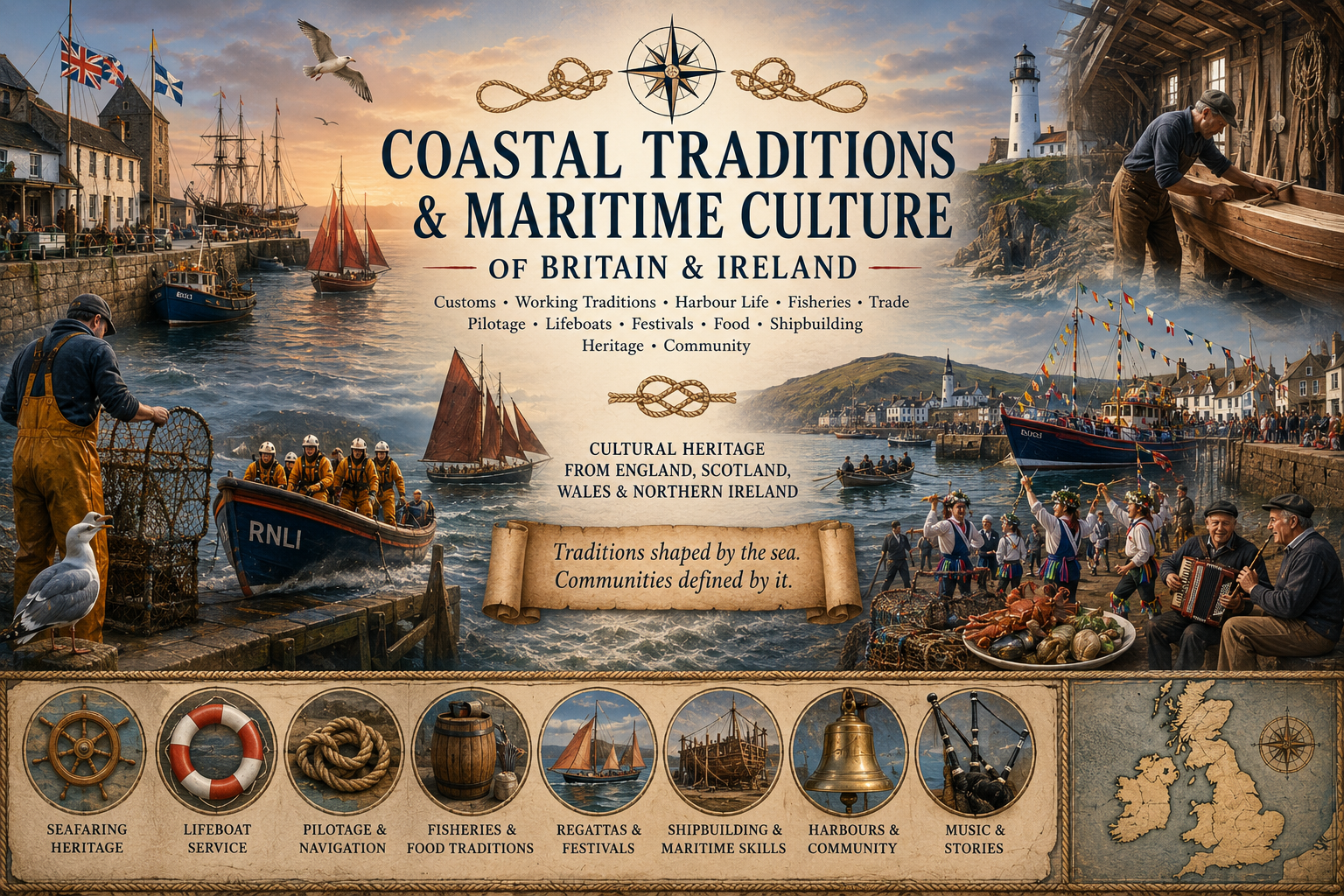
The coastline between the mouth of the River Tees and Hartlepool has long been shaped by commercial navigation, pilotage and North Sea fishing. Although heavy industry has altered much of the waterfront, the area's maritime identity remains closely connected with its working ports rather than recreational use of the sea. Strong tidal streams around the Tees entrance, extensive harbour works and the demands of North Sea navigation have produced practical traditions centred upon safe pilotage, disciplined harbour operations and the maintenance of vessels serving both trade and fisheries. While individual communities developed their own local practices, the wider coastal culture has generally reflected the requirements of one of England's principal industrial seaboards.
The River Tees has served as a significant trading estuary for centuries, although its modern form owes much to nineteenth-century engineering. Improvements to the navigation transformed access for larger vessels, supporting the expansion of shipbuilding, iron production, engineering and chemical manufacture along the river. Shipyards on both banks became recognised builders of merchant ships, tankers and specialised vessels, creating generations of skilled shipwrights, riveters, platers and marine engineers. Much of this heavy construction has now disappeared, yet its influence survives in local knowledge, preserved docks and continuing marine engineering activity associated with the port.
Pilotage has remained one of the defining maritime occupations of the district. The Tees entrance presents changing tidal conditions, dredged channels and intensive commercial traffic requiring detailed local knowledge. Harbour pilots traditionally transferred to arriving vessels offshore before conducting them through the estuary, while tugs provided assistance where necessary. Even as navigation has become increasingly supported by modern electronic systems, the practical experience of local pilots continues to form an essential part of commercial movements into the port. The working relationship between pilots, harbour authorities and tug crews remains a distinctive feature of daily operations.
Hartlepool developed as both a commercial harbour and fishing port, with North Sea fisheries providing steady employment alongside shipping. Fishing activity has historically included whitefish, shellfish and seasonal catches, although methods and target species have altered in response to regulation, changing stocks and market demand. Small fishing vessels continue to operate from the harbour, maintaining practices associated with early departures, regular gear maintenance and close observation of local weather and sea conditions. Fish auctions have reduced in scale compared with earlier decades, but locally landed seafood continues to contribute to the working character of the port.
Lifeboat service has also formed an important element of coastal life. The exposed North Sea, heavy commercial traffic and variable weather have made rescue work a practical necessity rather than a ceremonial tradition. Volunteer crews have long responded to incidents involving merchant vessels, fishing boats and recreational craft, reinforcing a culture in which seamanship, local knowledge and mutual assistance remain widely respected. Accounts of rescues occupy a notable place in local maritime memory, although individual incidents vary across different communities along the coast.
Working waterfront customs have generally reflected the rhythm of commercial shipping rather than seasonal ceremony. Harbour routines have traditionally been governed by tidal windows, cargo handling, pilot boarding times and the movements of fishing vessels. Chandlers, repair workshops, rope suppliers and marine contractors supported these activities, creating an occupational culture centred upon dependable service to ships entering and leaving the Tees. Although container handling, offshore support and bulk cargoes now dominate much of the commercial traffic, many of these practical relationships continue in adapted form.
Maritime gatherings remain present, though usually with an emphasis upon historic vessels, seamanship and community participation rather than elaborate local ritual. Hartlepool has periodically hosted tall ships and other visiting vessels, drawing attention to traditional sailing skills while maintaining links with the port's commercial past. Local yacht clubs and rowing organisations also contribute to continuity through racing, training and regular use of the harbour, although these activities exist alongside, rather than replacing, the area's established working maritime functions.
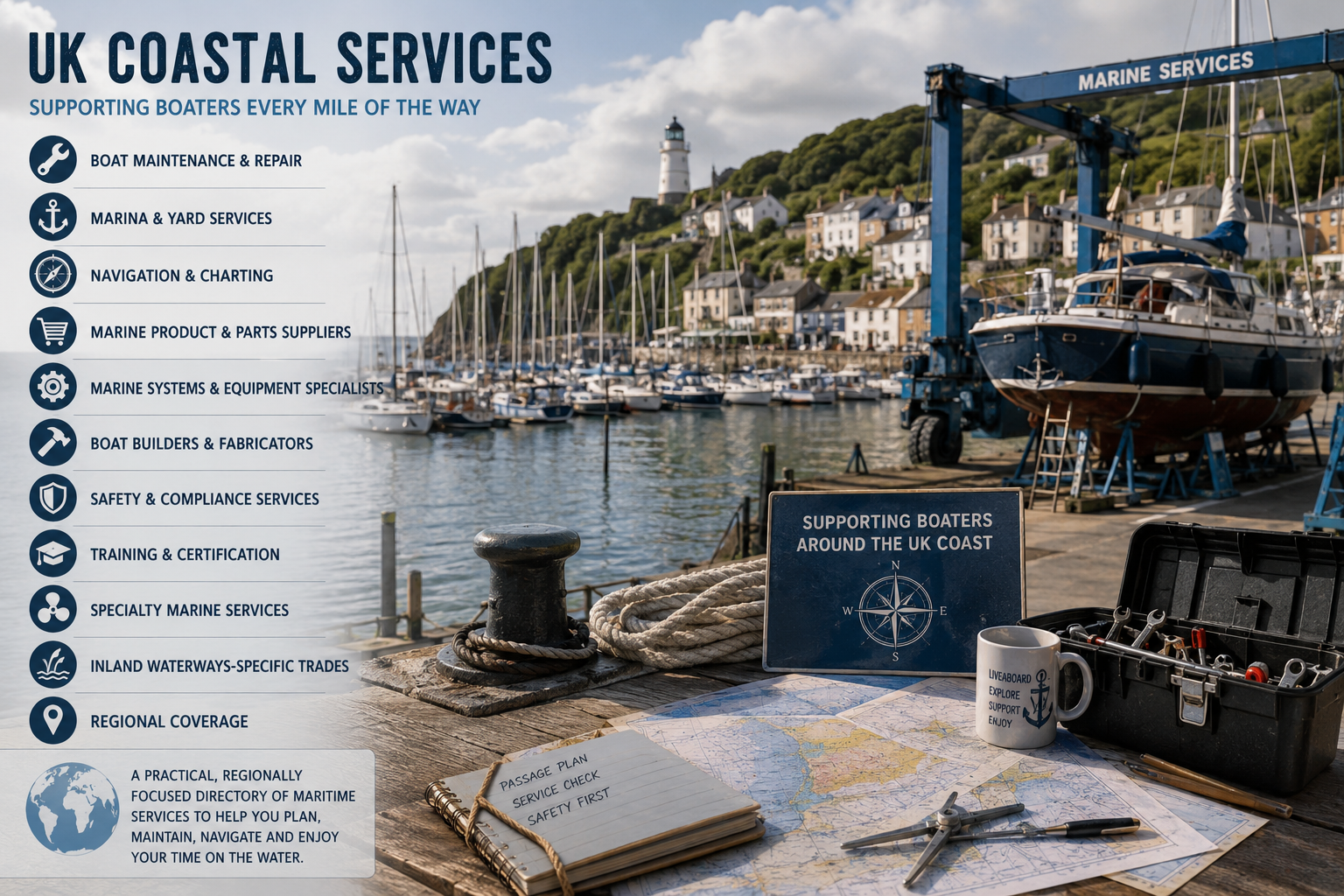
Boatbuilding survives principally through repair, maintenance and specialist marine services rather than the large-scale construction once associated with the Tees. Historic craft preservation, museum collections and surviving dock infrastructure help illustrate earlier methods of construction without suggesting that former industrial practices remain unchanged. Local maritime organisations continue to record the experiences of shipyard workers, pilots, fishermen and merchant seafarers, preserving knowledge that might otherwise be lost as the waterfront evolves.
The present-day coastline therefore retains a strong continuity with its maritime past. Commercial shipping, pilotage and fishing continue to influence daily activity, while surviving harbour communities maintain practical customs developed through long experience of the North Sea. Although industrial patterns have altered substantially, the waters of the Tees and Hartlepool still reflect a coastal culture in which navigation, skilled marine work and service to shipping remain central to the character of the coast.
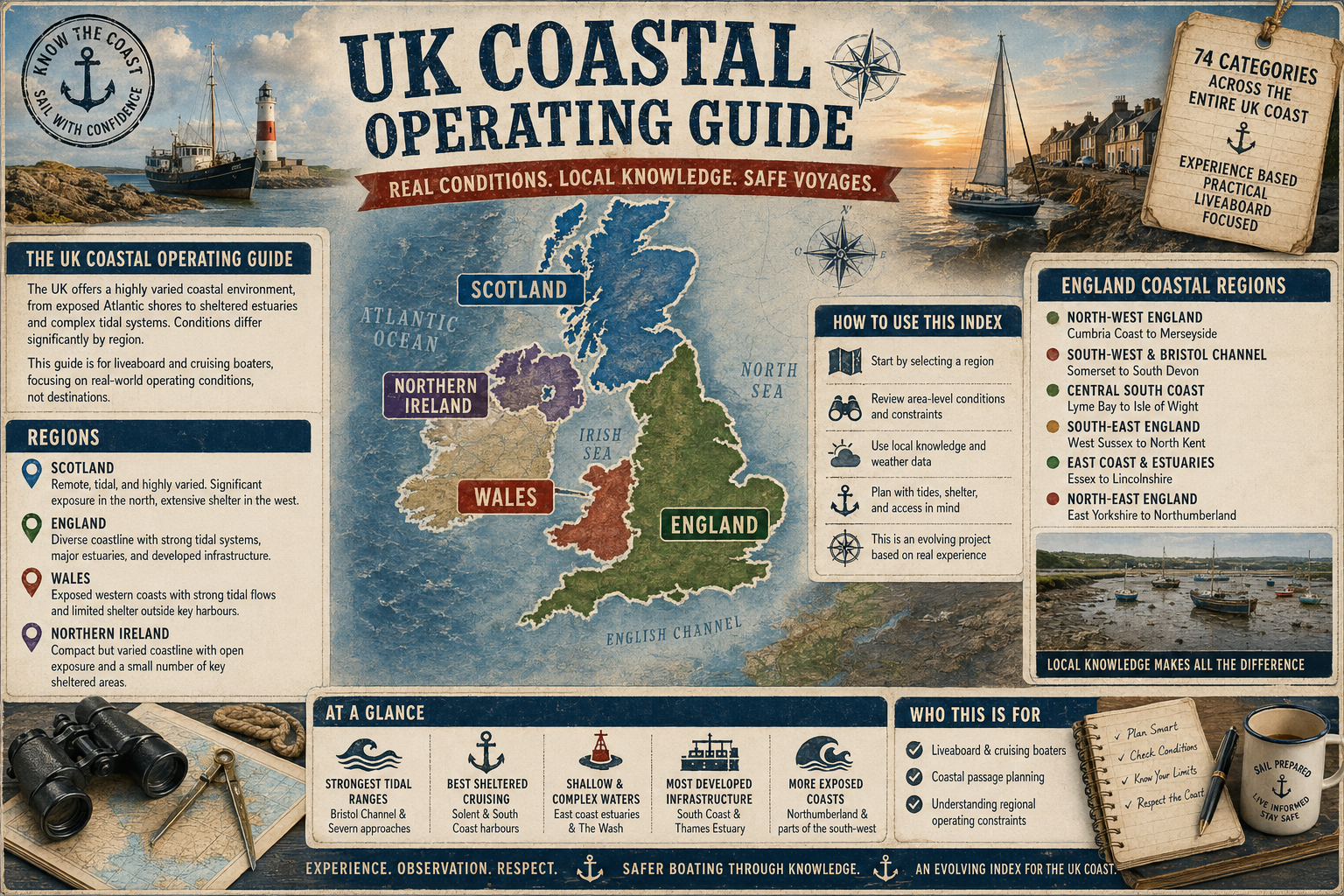
- The UK Coastal Operating Guide
- Coastal Traditions & Maritime Culture of Britain and Northern Ireland
- Coastal Myths & Legends of Britain & Northern Ireland

Comments