




North Sea Fishing Fleets & Harbour Communities
The maritime character of the Aberdeenshire coast remains closely associated with the North Sea fishing industry and the working harbour communities between Johnshaven, Stonehaven, Banff, Macduff, Fraserburgh and Peterhead. The coast is exposed to North Sea weather and swell, while the entrances to its harbours and the tidal waters around bays and estuaries have long required local knowledge of sea room, tide and weather. Harbour activity varies considerably along the coast, but fishing remains an important part of the identity and economy of the principal ports.
Fishing developed from small shore-based and harbour fleets into a substantial commercial industry during the nineteenth and twentieth centuries. Herring became particularly important at Fraserburgh, where the harbour was repeatedly enlarged to accommodate the expanding fleet. The herring fishery reached its peak in the early twentieth century before wartime disruption and declining stocks altered the industry. Whitefish, pelagic fishing and shellfish subsequently became more prominent. Peterhead developed on a larger scale and is now the principal fishing port on the Aberdeenshire coast; Scottish Government statistics record it as the largest fishing port in Scotland by both tonnage and value of landings in 2024.
Harbours have traditionally been the operational centres of these communities. Fraserburgh's basins, Peterhead harbour and the smaller fishing harbours at places such as Macduff, Banff and Stonehaven reflect successive periods of expansion, contraction and changes in fishing methods. Cargo handling, fish markets, curing, net work, boat maintenance and associated trades formed part of the working waterfront, although their extent has varied between ports and through time. The Aberdeenshire coast has 21 historic harbours, illustrating the former importance of small landing places as well as the larger commercial ports. Some are now principally used by leisure craft, while others retain active fishing or mixed maritime functions.
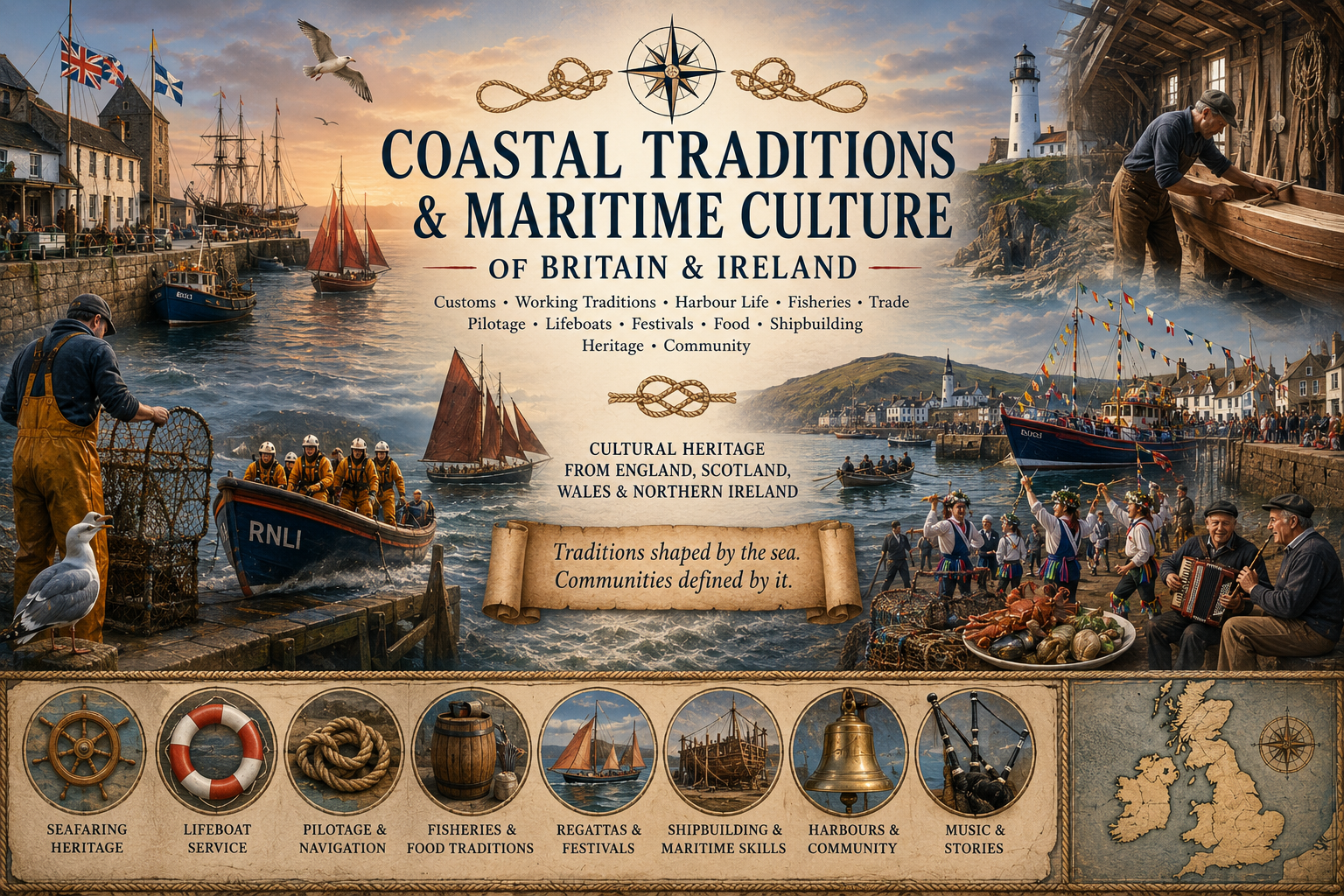
Practical seamanship and collective lifesaving have also formed part of local coastal culture. Fraserburgh has a particularly well-documented lifeboat tradition, beginning with life-saving apparatus supplied in 1824 and developing into a permanent lifeboat service. Its record includes numerous rescues of fishing vessels and merchant shipping, often in heavy weather and close to harbour entrances. The loss of six lifeboat crewmen in the 1953 Fraserburgh disaster and five more in the 1970 loss of The Duchess of Kent remain significant episodes in the community's maritime record. The continuing RNLI service reflects the enduring relationship between fishing communities, harbour users and sea rescue.
Modern continuity is most evident in the working ports rather than in formal maritime ceremony. Fishing vessels still operate from Peterhead and Fraserburgh, with landings supporting fish markets, processing and related shore-based employment. The character of the fisheries has changed: present-day landings include pelagic, demersal and shellfish catches, and the scale of commercial operations differs markedly from that of the herring era. In 2023, Aberdeenshire accounted for half of Scotland's fishing gross value added, underlining the continuing economic importance of the sector to the coastal area.
For the mariner, the significance of these traditions is therefore principally practical. The harbours remain points of departure, landing and shelter; fishing continues to influence the working waterfront; and local knowledge of tides, weather, harbour approaches and North Sea conditions remains relevant. Although many smaller harbour functions have declined or changed use, the principal ports preserve a direct connection between the present coastline and the fishing communities that have shaped its maritime culture for several centuries.
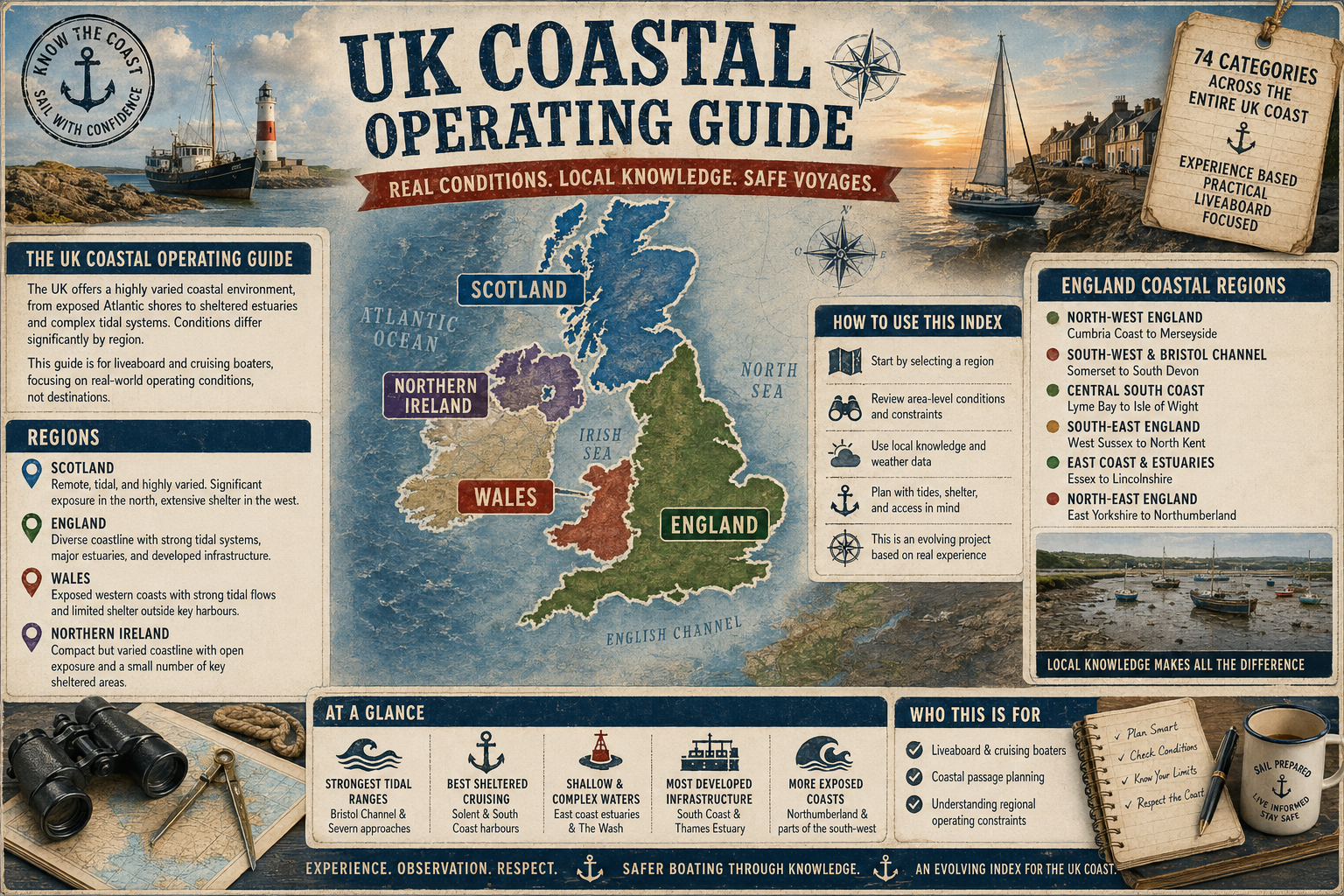
- The UK Coastal Operating Guide
- Coastal Traditions & Maritime Culture of Britain and Northern Ireland
- Coastal Myths & Legends of Britain & Northern Ireland
Comments