




Coastal Resorts & Island Ferry Culture
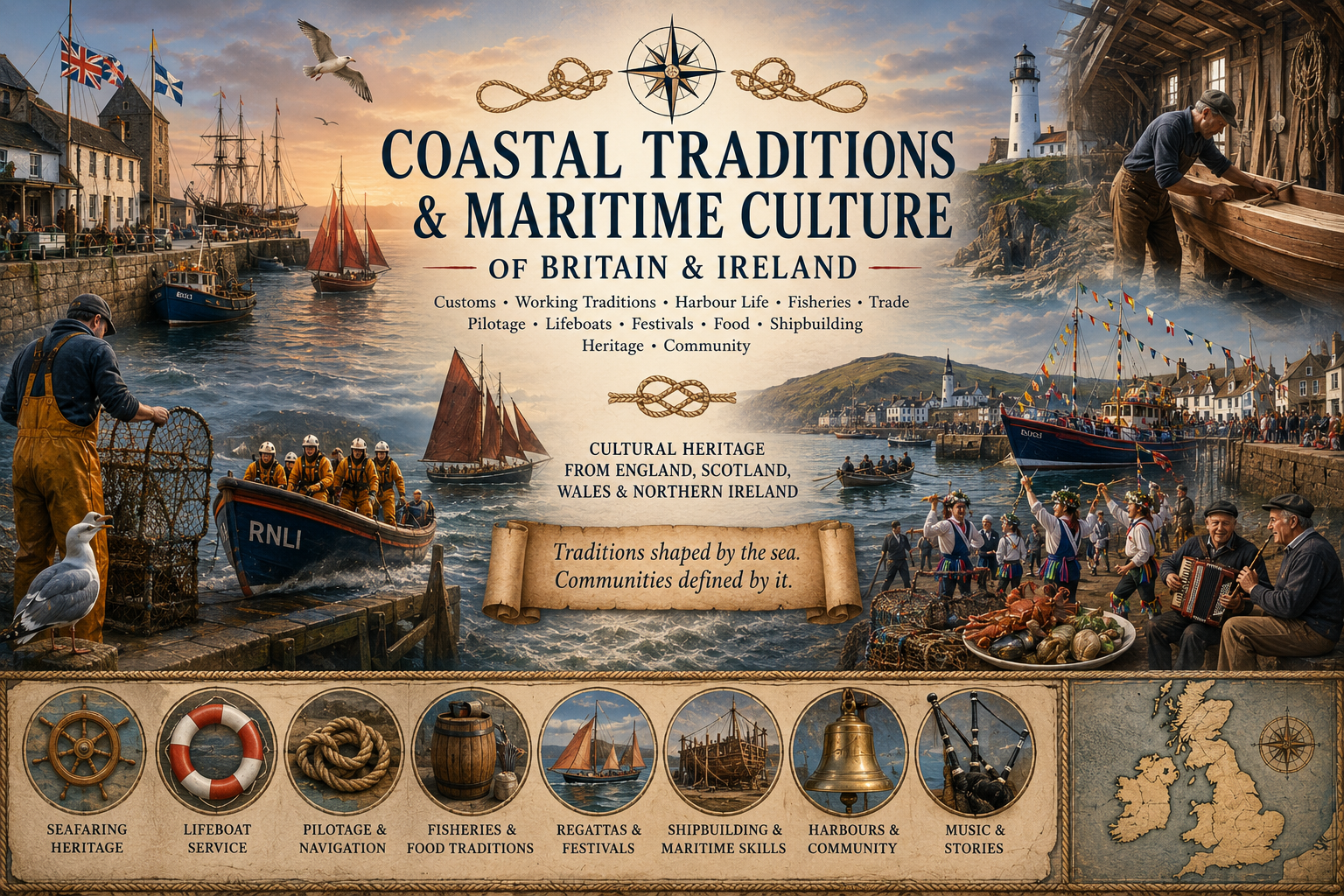
The South Firth of Clyde has a maritime culture closely associated with ferry services, Clyde steamers, coastal resorts, fishing and working harbours. Dunoon on Cowal and Rothesay on Bute developed strong links with the river and lower Firth through regular passenger and excursion traffic. These connections remain evident in the present ferry network, which continues to link the mainland with Bute and to connect Dunoon with Gourock.
From the nineteenth century, steam navigation transformed the southern Clyde. Rothesay Harbour was reconstructed in 1822 and extended in 1867 and 1899 as steamer traffic increased. A boatbuilding yard and slip were established beside the harbour in 1839, while the Albert Pier subsequently provided additional accommodation for cargo vessels. By the later nineteenth century Rothesay had become a major Clyde resort, with numerous daily steamer sailings from Glasgow during the summer season. Dunoon similarly became closely dependent on steamer and ferry traffic, with its pier providing the principal point of contact between the town and the waterway.
The steamer trade served more than leisure. Passenger vessels carried provisions and general traffic between the Clyde ports and island communities, while fishing and small-scale commercial activity formed part of the working waterfront. At Rothesay, the harbour remains the principal harbour of Bute and accommodates ferry, fishing and commercial interests. The outer harbour still provides a berth for fishing vessels, alongside facilities for other small craft.
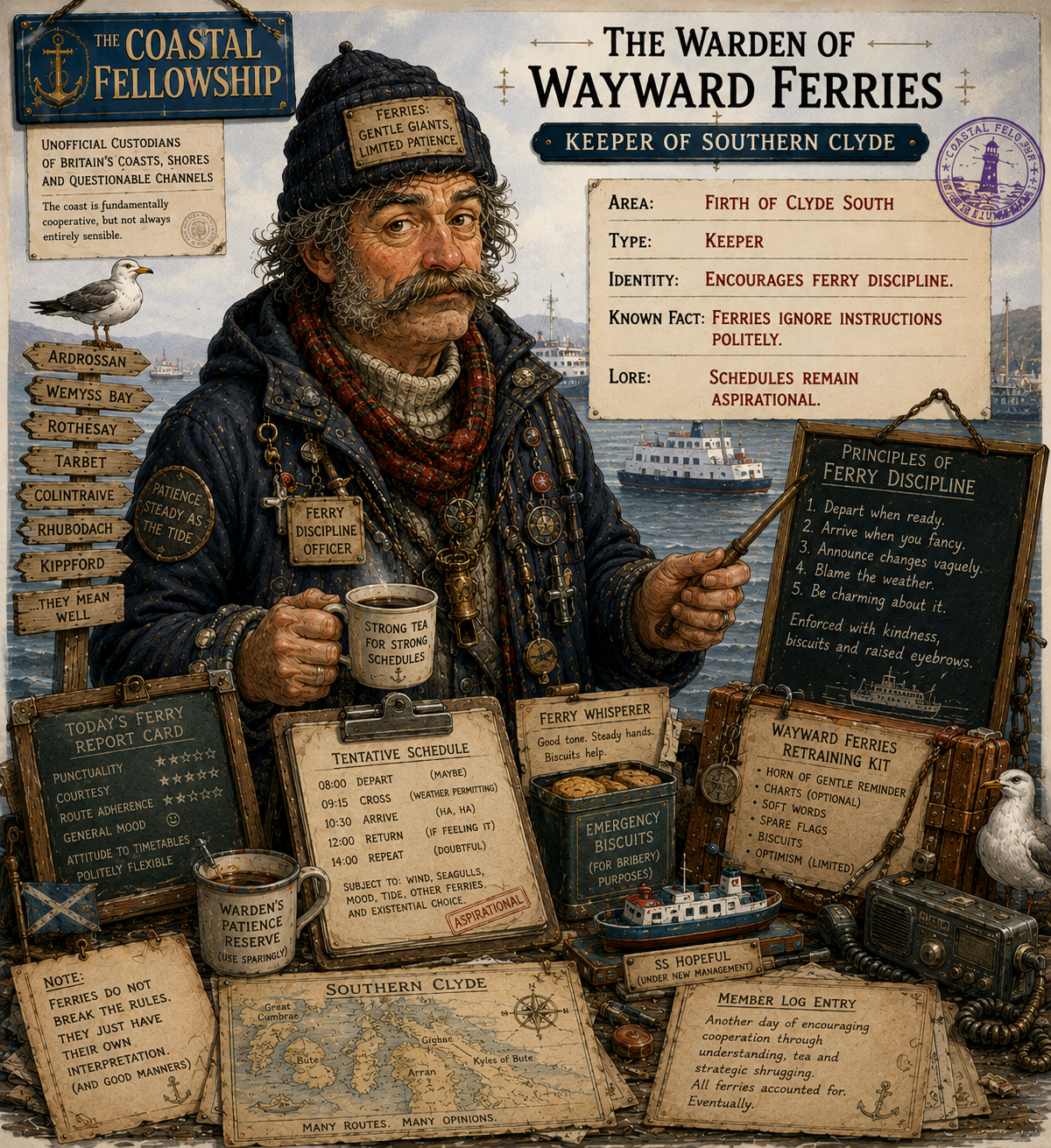
Ferry travel is the most conspicuous surviving maritime tradition. The Wemyss Bay–Rothesay service provides the principal mainland connection for Bute, while the Gourock–Dunoon passenger service links Cowal with the railway and wider Clyde transport system. Both routes continue to operate as regular public transport rather than solely as seasonal excursion services. The Colintraive–Rhubodach crossing provides another short ferry link between Bute and the Cowal peninsula. These routes preserve a practical pattern of movement between mainland and island that has been established for generations.
The former excursion-steamer culture also survives in more limited form. The paddle steamer Waverley, the last seagoing paddle steamer of the Clyde tradition, continues to make excursion sailings in suitable seasons and conditions. Its presence is a reminder of the extensive passenger-steamer network that once connected the Clyde resorts with Glasgow and other points around the Firth. The scale of present operations is, however, very different from that of the Victorian and Edwardian period.
Harbour practice remains governed by the working requirements of ferry and commercial traffic. Rothesay Harbour is subject to local vessel-reporting arrangements and maintains VHF communication with visiting craft. Its published tidal range is approximately 3.1 metres at mean springs and 1.8 metres at mean neaps. Dunoon likewise remains a ferry harbour, although its pier facilities and access arrangements have changed over time. Local conditions consequently require attention to ferry movements, tidal height and harbour instructions rather than reliance on the appearance of the waterfront alone.
There is less evidence for distinctive ceremonial customs or maritime festivals peculiar to the South Firth than for the area's continuing transport and harbour traditions. The strongest cultural continuity lies in everyday use of the water: ferry crossings, fishing, harbour work, recreational boating and the continued association of Dunoon and Rothesay with the Clyde as a navigable transport route.
For the cruising mariner, the South Firth of Clyde is therefore best understood as a working estuarine waterway whose resort and island character developed alongside regular maritime transport. Historic steamer routes, surviving piers and boatbuilding associations remain part of the coastal record, while ferry services, fishing activity and harbour operations continue to give the shores of Cowal and Bute a distinctly maritime character.
Comments