




Firth of Lorne Coast - Area 66
Overview
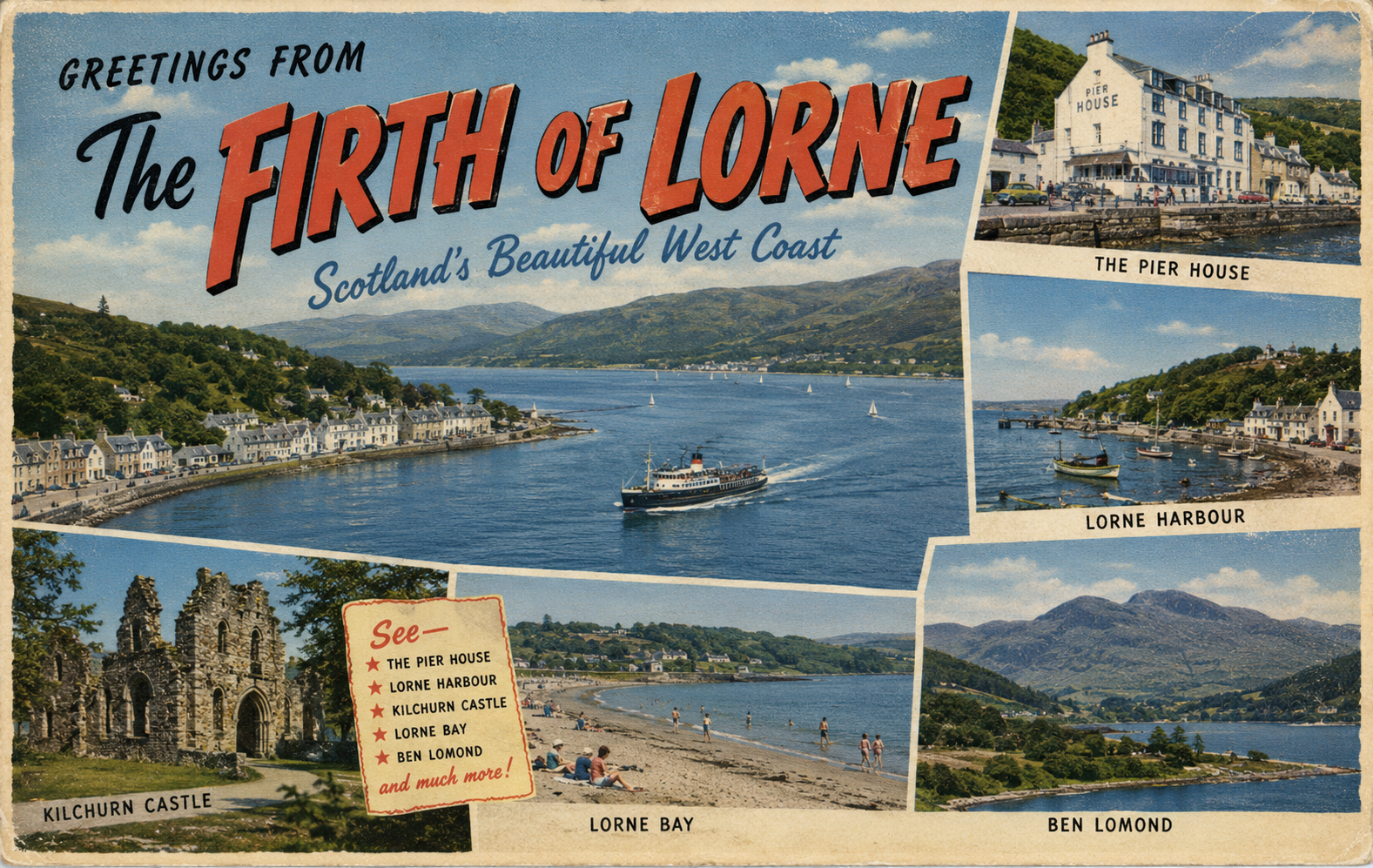
The Firth of Lorne is a complex coastal and island-dominated area on the west coast of Scotland, lying between the mainland and the Inner Hebrides. It is characterised by deep water, numerous islands, and highly varied navigational conditions influenced by tidal flows and Atlantic weather systems.
The region combines open water passages with more sheltered channels, creating a diverse and dynamic boating environment.
Local Operating Context (for Liveaboard Boaters)
Conditions in the Firth of Lorne vary considerably depending on location. Sheltered waters can be found between islands and along parts of the mainland coast, while more exposed areas are subject to Atlantic swell and strong winds.
Tidal streams can be significant, particularly in constricted channels and between islands, where overfalls and turbulent water may develop. Careful route planning and tidal awareness are essential.
The area is well suited to mobile liveaboard cruising, with numerous potential stopping points, though conditions may change quickly.
Access & Shelter
- Combination of sheltered channels and exposed open water
- Numerous islands provide intermittent protection depending on wind direction
- Strong tidal flows in narrows and between landmasses
- Approaches may involve complex navigation through island groups
Shore Interaction
- Predominantly rugged coastline with rocky shores and limited landing points in some areas
- Small settlements and natural anchorages are scattered throughout the region
- Access conditions vary widely depending on local geography
- Some locations allow relatively easy landing, others require careful timing and conditions
Risk Factors
- Strong tidal streams and localised overfalls
- Rapid weather changes influenced by Atlantic systems
- Navigational complexity due to islands and submerged hazards
- Exposure in open passages between sheltered zones
Overall Character
The Firth of Lorne offers a varied and often dramatic boating environment, combining sheltered cruising grounds with more demanding open-water passages. It is well suited to experienced boaters seeking flexibility and exploration within a highly scenic coastal setting.
Notable Locations
Oban – Regional harbour and marina centre serving as a key access point to the area.
Isle of Mull – Large nearby island offering multiple anchorages and coastal routes.
Lismore – Narrow island influencing local tidal flows and navigation.
Practical Mooring & Anchorage Locations
Oban Bay
- Type: Harbour / marina / anchorage
- Shelter: Good shelter within the bay from most wind directions
- Exposure: Strong southerly winds can create chop and uncomfortable conditions in outer anchorage areas
- Key Constraints: Heavy ferry traffic; busy mooring field during summer; tidal streams in approaches
- Traffic Level: Very High
- Liveaboard Suitability: High
- Notes: Principal harbour of the Firth of Lorne with extensive marina, visitor moorings, and provisioning facilities. Excellent staging point for the Inner Hebrides and west coast passages.
Kerrera Marina
- Type: Marina / moorings
- Shelter: Very good shelter from prevailing south-westerly winds
- Exposure: Some exposure to strong northerly gusts funneling through the Sound of Kerrera
- Key Constraints: Narrow approach channels; tidal flow through nearby sound
- Traffic Level: Medium
- Liveaboard Suitability: High
- Notes: Well-protected marina positioned opposite Oban. Popular with cruising yachts seeking quieter berthing while remaining close to mainland services.
Dunstaffnage Marina
- Type: Marina / harbour
- Shelter: Excellent shelter in most weather conditions
- Exposure: Minor swell exposure in strong north-westerly conditions outside the marina entrance
- Key Constraints: Busy summer visitor traffic; tidal streams nearby at Connel Bridge approaches
- Traffic Level: Medium
- Liveaboard Suitability: High
- Notes: Secure and well-equipped marina north of Oban with reliable all-tide access. Frequently used as a long-term base for west coast cruising.
Craobh Haven
- Type: Marina / sheltered basin
- Shelter: Excellent all-weather shelter within enclosed marina basin
- Exposure: Minimal direct exposure once inside marina
- Key Constraints: Limited visitor berth availability during peak season; approach requires care among nearby islands and reefs
- Traffic Level: Medium
- Liveaboard Suitability: High
- Notes: Purpose-built yachting marina offering one of the safest sheltered bases in the Firth of Lorne area. Strong support facilities and easy access to the Slate Islands.
Puilladobhrain
- Type: Natural anchorage / moorings
- Shelter: Very good shelter from Atlantic swell and prevailing south-westerlies
- Exposure: Can become gusty in strong easterly or north-easterly winds
- Key Constraints: Limited swinging room; crowded in summer; submerged rocks outside marked approach
- Traffic Level: Medium
- Liveaboard Suitability: Medium
- Notes: Well-known scenic anchorage near Seil Island with visitor moorings and secure holding. Popular overnight stop for cruising yachts transiting the area.
Tobermory Harbour
- Type: Harbour / moorings / anchorage
- Shelter: Good shelter within the bay from most wind directions
- Exposure: Strong northerly winds can produce uncomfortable conditions in outer mooring areas
- Key Constraints: Busy visitor moorings; ferry and fishing vessel movements; limited anchoring space
- Traffic Level: High
- Liveaboard Suitability: High
- Notes: Important stopping point on the Sound of Mull with extensive visitor facilities and reliable shelter. Frequently used as a provisioning and waiting harbour for west coast passages.
Marine Safety & Support
HM Coastguard provides search and rescue coordination throughout the area, supported by local Coastguard Rescue Teams and RNLI lifeboat stations where established. Emergency medical facilities and essential services are generally available in the principal coastal towns and regional centres serving the area.
Coastal Guardians & Local Support
The coastal community is strengthened by organisations that share practical knowledge, support visiting boaters and help maintain the quality of information within the UK Coastal Operating Guide.
The following Coastal Guardian positions are currently available or reserved.
*** Please note: Only five (5) Guardian berths are available in this coastal area ***
⚓ Example Marine Engineering & Vessel Support
Location • Marine Engineering • Repairs & Servicing
This position is reserved for a recognised local marine engineering business providing servicing, repairs and technical support to cruising and liveaboard vessels operating within this coastal area.
Best for: Vessel maintenance and engineering support
⚓ Example Chandlery & Marine Supplies
Location • Marine Supplies • Equipment & Gear
Reserved for a local chandlery or marine supplier helping visiting boaters obtain equipment, safety gear and essential stores for safe coastal cruising.
Best for: Cruising equipment and essential stores
⚓ Example Boatyard & Marine Services
Location • Marine Services • Specialist Support
This position is reserved for a local boatyard or marine service provider offering lifting, storage, maintenance and specialist support for vessels visiting the area.
Best for: Boatyard facilities and vessel maintenance
⚓ Example Marina, Harbour & Visitor Facilities
Location • Visitor Facilities • Practical Support
Reserved for a local organisation providing practical services that support visiting boaters and contribute to the wider maritime community.
Best for: Practical local boating support
⚓ Example Local Maritime Services & Coastal Knowledge
Location • Coastal Knowledge • Marine Information
This position recognises an organisation whose local knowledge and practical contribution help strengthen the quality of information available to visiting mariners.
Best for: Local knowledge and community support
Status:Five (5) Berths Available. Reserved for Coastal Guardians Only
Additional marine businesses, marinas and specialist services are listed within the Ship's Office.
UK Public Services & Infrastructure
Public services, healthcare, emergency response and essential facilities are available throughout the UK coastline. Provision is generally strongest in larger towns and regional centres, while remote rural and island areas may offer more limited local access.
Practical Notes for Boaters
This section will be developed over time based on direct experience and relevant contributions. The focus is on practical usefulness rather than completeness.
From the Project
Observations and notes from the ongoing boat conversion and coastal exploration project will be added here as they become available.
Related Knowledge Base
- Coastal erosion processes
- Sedimentary rock formations
- Harbour types and access
- Tidal patterns and coastal conditions
Status
This is part of a growing coastal index. Content will be expanded over time as the project develops.