



Island Seafaring Culture & Nordic Maritime Heritage
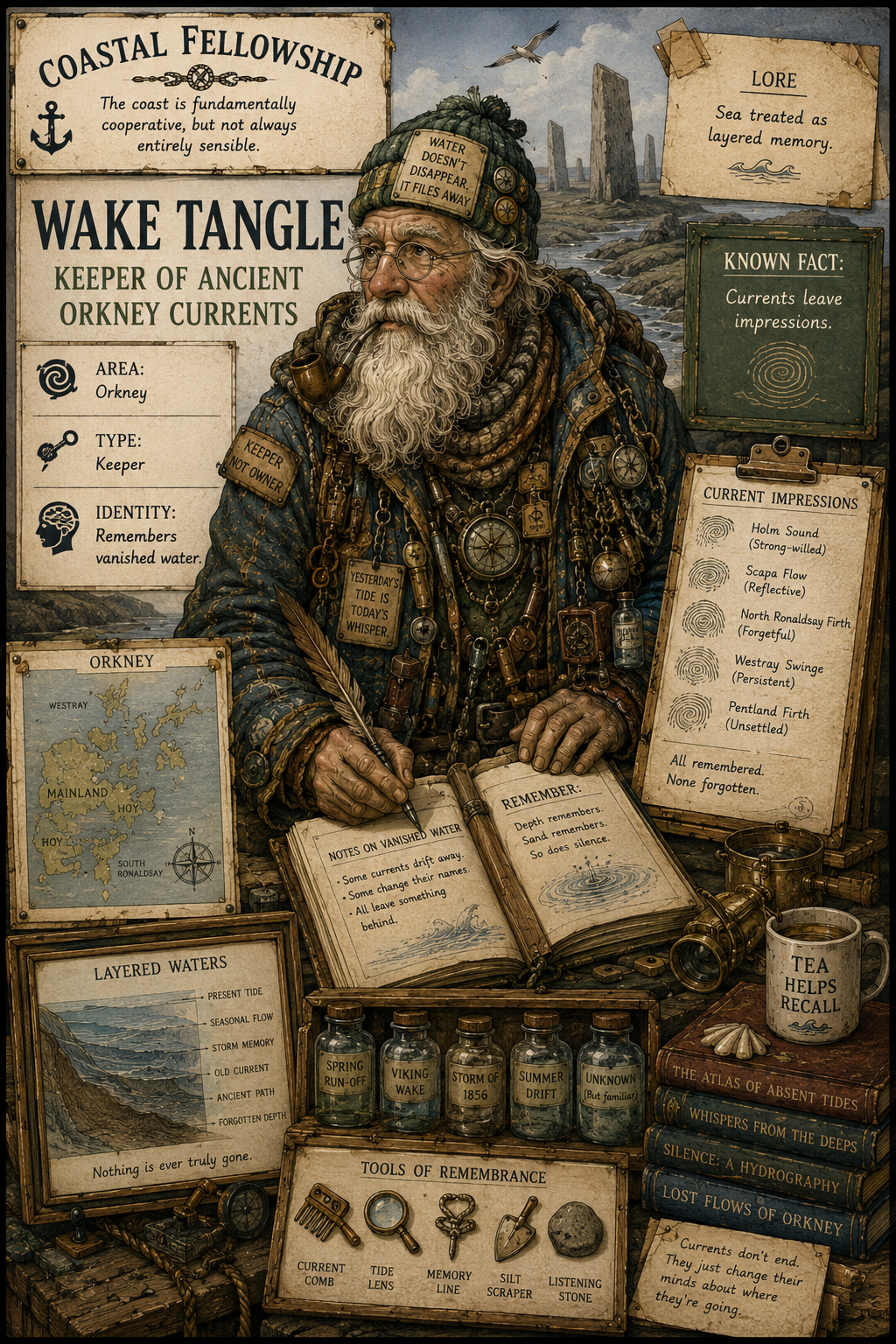
Throughout Orkney, the sea remains the principal point of reference between communities, shaping settlement, transport and local practice across an extensive archipelago. The islands stand between the Pentland Firth and the northern waters of the Atlantic, where powerful tides, narrow sounds and exposed approaches have long required careful local knowledge. Maritime culture is consequently marked by practical seamanship and an enduring awareness of weather, tides and safe anchorages. Alongside these navigational traditions, Orkney retains a distinctive Nordic inheritance reflected in place names, aspects of local vocabulary and the long continuity of island seafaring, although individual customs may vary between islands.
Fishing formed the basis of many coastal settlements for centuries, with small harbours supporting both local inshore work and wider commercial activity. Herring dominated much of the nineteenth and early twentieth centuries, drawing seasonal crews and curing operations to ports including Stromness, Kirkwall and several smaller landing places. Whitefish, shellfish and lobster fisheries have continued to support working harbours, while creel fishing remains familiar throughout sheltered sounds and along exposed coasts where conditions permit. Agriculture has often complemented rather than replaced maritime employment, with many households historically combining farming and fishing according to season. This pattern of mixed livelihood remains a recognised feature of island life.
Scapa Flow has long influenced Orkney's maritime character. Its extensive natural shelter has served commercial shipping, naval fleets and local traffic for generations, while numerous piers and landing places around its margins reflect the practical requirements of inter-island communication. Stromness developed as an important harbour for vessels trading with northern Scotland and beyond, later becoming associated with whaling support, Hudson's Bay Company links and regular passenger services. Kirkwall likewise grew as a principal administrative and trading port, handling coastal cargoes alongside fishing vessels and ferries. Smaller harbours across the North Isles and South Isles continue to provide essential access where regular sea transport remains a practical necessity.
Boat ownership has traditionally been widespread, with locally built or adapted craft suited to short crossings, fishing grounds and the strong tidal streams characteristic of the islands. Although modern materials have replaced much timber construction, practical boat maintenance remains part of working harbour life. Navigation through sounds such as Hoy Sound, Shapinsay Sound and Westray Firth has always depended upon accurate tidal judgement, and knowledge of local races, overfalls and weather effects continues to be passed between experienced mariners. Even with contemporary navigation systems, these local observations retain practical value in daily operations.
Nordic influence is particularly evident in the continuity of maritime place names and the historical organisation of coastal communities. While direct survivals of medieval Norse seafaring practice cannot always be demonstrated, the wider pattern of island communication, dependence upon sheltered voes and the importance of small landing places illustrate a long-established maritime orientation. The sea has remained the principal route between neighbouring islands for much of Orkney's history, and ferry services today continue an essential function rather than serving solely as commercial transport.
Community events frequently retain a maritime connection. Regattas and local sailing competitions are held in several island communities during the summer months, although their scale varies between islands and from year to year. The internationally recognised St Magnus Festival includes coastal locations within its wider programme, though it is not exclusively maritime in character. Harbour gatherings, rowing events and lifeboat fundraising activities also reflect continuing community involvement with the sea. The Royal National Lifeboat Institution maintains stations at Stromness, Longhope and Kirkwall, and local support for lifeboat services forms an established part of coastal civic life.
Seafood remains closely associated with local identity. Shellfish, crab, lobster and scallops continue to support commercial fisheries, while locally landed fish feature prominently within island food traditions. Processing and aquaculture have become increasingly significant components of the modern maritime economy, alongside marine engineering, harbour services and ferry operations. These activities maintain the working character of many waterfronts without entirely displacing their traditional functions.
Despite technological change, Orkney displays an unusually strong continuity between historical seafaring practice and present-day coastal life. Ferry timetables, fishing activity, harbour maintenance and small craft movements continue to structure daily routines across much of the archipelago. Visitors navigating these waters will find that local knowledge of tides, weather and harbour conditions remains highly regarded, reflecting a maritime culture in which practical experience continues to hold enduring value alongside modern navigation and communications.
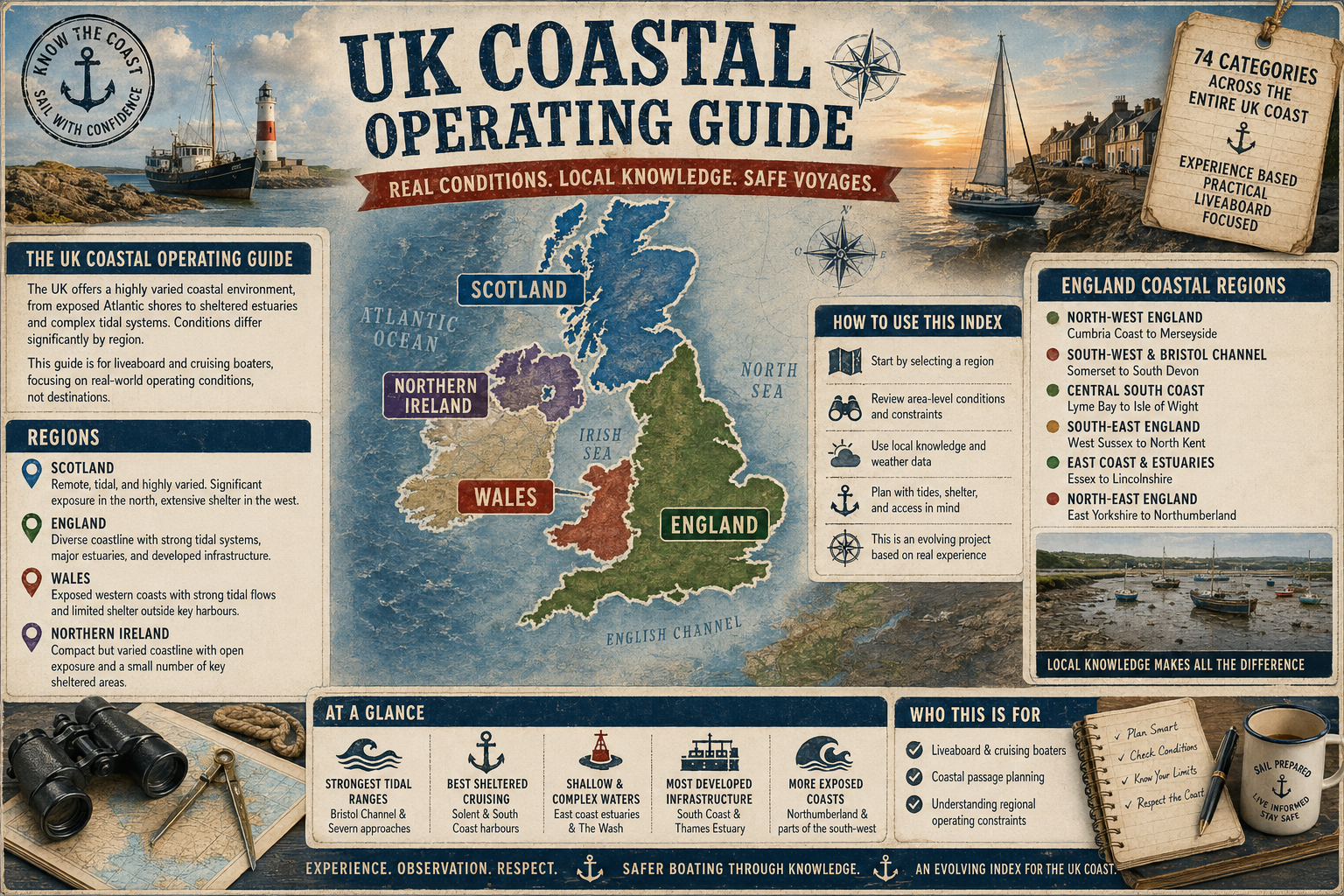
- The UK Coastal Operating Guide
- Coastal Traditions & Maritime Culture of Britain and Northern Ireland
- Coastal Myths & Legends of Britain & Northern Ireland

Comments